
Key Highlights
- Iran officially denies any current negotiations with the U.S.
- The statement responds to media reports of potential backchannel discussions.
- Regional tensions remain high amid ongoing disputes over sanctions and security.
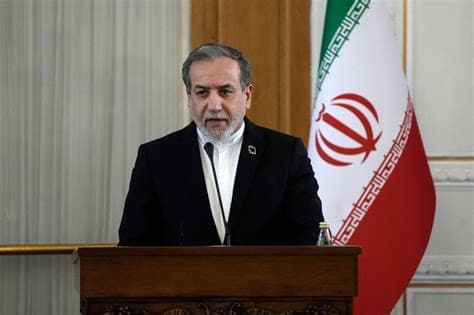
Iran has officially stated that it is not engaged in any current negotiations with the United States, directly denying claims that diplomatic talks or negotiations are underway. This announcement comes in response to various media reports suggesting that backchannel discussions or renewed contacts between the two nations might be occurring. Iranian officials emphasized that no such diplomatic processes are taking place at this time.
The context of this denial is critical, as it reflects the ongoing complexities of U.S.-Iran relations, which have been fraught with tension for years. The two countries have a long history of disputes, particularly concerning sanctions imposed by the U.S. and security issues in the Middle East. The U.S. has previously expressed a willingness to engage with Iran under specific conditions, yet Tehran's latest statement indicates a firm stance against any negotiations at present.
This development is particularly significant given the heightened regional tensions that have characterized the Middle East in recent months. The Iranian government’s firm denial of negotiations may be a strategic move to assert its position amid ongoing pressures from the U.S. and its allies. The lack of clarity regarding any potential future discussions leaves the door open for speculation about the direction of U.S.-Iran relations moving forward.
Furthermore, the absence of detailed information regarding the possibility of future talks raises questions about the diplomatic landscape in the region. Analysts suggest that while both sides have expressed interest in dialogue in the past, the current geopolitical climate may hinder any immediate prospects for negotiations.
In summary, Iran's recent statement underscores the complexities of its relationship with the United States, highlighting the challenges that lie ahead in resolving longstanding disputes. As both nations navigate their respective positions, the international community will be watching closely to see how these dynamics evolve in the coming months.
Published by Banx Network. This article is part of the Banx decentralized media programme, powered by the BXE token on the XRP Ledger.



