
Key Highlights
- Iran's Foreign Minister Abbas Araghchi states no direct talks with the U.S. are planned.
- Potential negotiations may occur through Pakistan, acting as a mediator.
- U.S. officials confirm meetings in Islamabad to discuss regional stability.
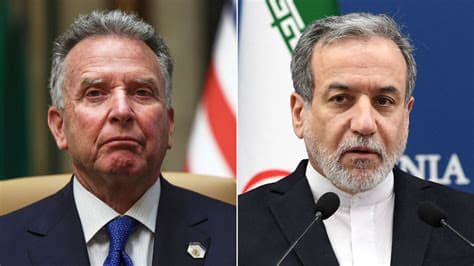
Iranian Foreign Minister Abbas Araghchi has made it clear that the country currently has no intention of engaging in direct negotiations with the United States. Instead, he indicated that any potential discussions could be facilitated through Pakistan, which has stepped in as a mediator amid ongoing tensions in the region. This statement underscores Iran's cautious approach to diplomacy, particularly in light of the complex geopolitical landscape.
This announcement comes as U.S. officials have confirmed that Steve Witkoff and Jared Kushner are scheduled to meet with Araghchi in Islamabad. These discussions are aimed at finding a peaceful resolution to the escalating conflict, particularly concerning military actions that threaten to disrupt vital international trade routes, especially through the strategically significant Strait of Hormuz. The Strait is a critical passage for oil shipments, and any instability in the area could have far-reaching implications for global markets.
President Donald Trump has been vocal about U.S. objectives regarding Iran, emphasizing the importance of preventing the nation from acquiring nuclear weapons. He has also warned that Iran must carefully consider its military actions or face further repercussions. The initial optimism surrounding potential talks has been challenged by ongoing hostilities and a complicated geopolitical environment, which has made diplomatic engagement increasingly difficult.
As Tehran prepares for potential diplomatic engagement through Pakistan, the atmosphere remains one of caution. While these indirect talks could pave the way for improved relations, Iran's refusal to engage directly highlights a deep-seated mistrust and unresolved issues related to its nuclear program and military ambitions. The Iranian leadership is likely weighing the risks and benefits of any engagement with the U.S., particularly given the historical context of their relations.
The international community is closely monitoring the situation, hoping that mediation efforts will yield positive results and contribute to a reduction in the tensions that have gripped the region for months. The stakes are high, as any miscalculation could lead to further escalation, impacting not only regional stability but also global economic interests.
As the situation evolves, the focus will remain on the outcomes of the meetings in Islamabad and whether they can lead to a breakthrough in the ongoing diplomatic stalemate. The potential for indirect negotiations through Pakistan may offer a pathway for dialogue, but the underlying issues remain complex and fraught with challenges.
Published by Banx Network. This article is part of the Banx decentralized media programme, powered by the BXE token on the XRP Ledger.



