
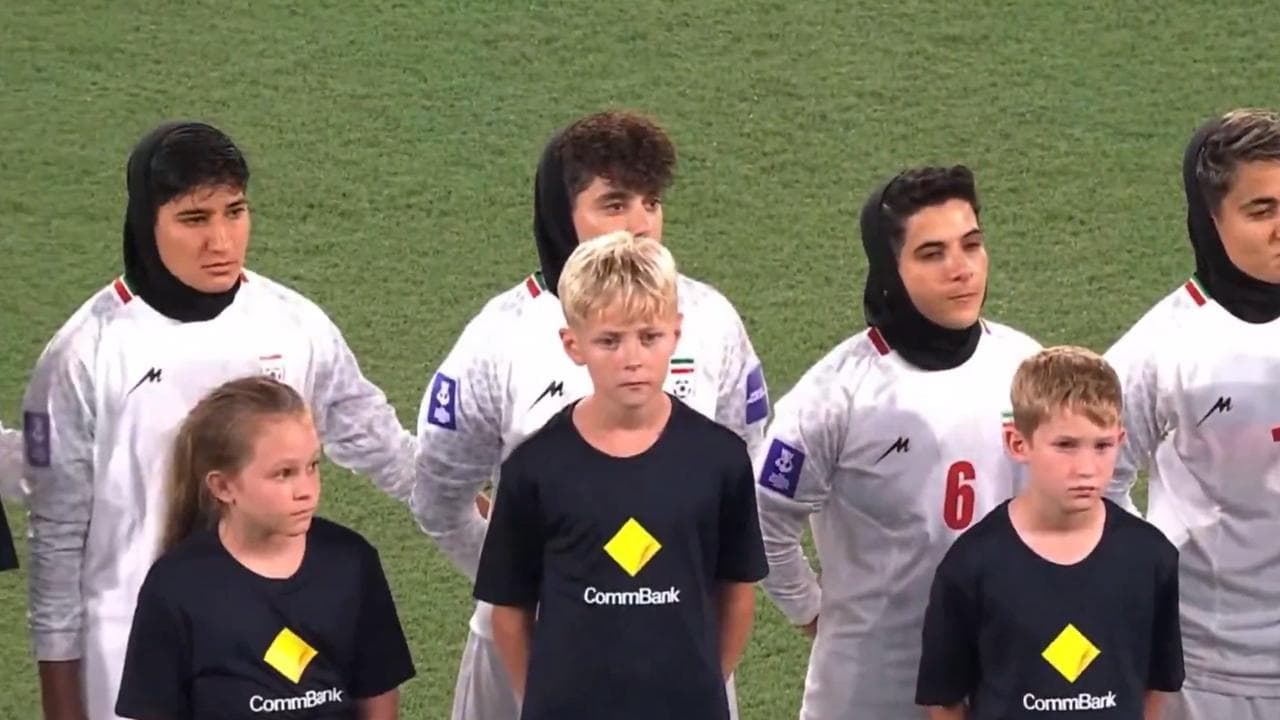
Key Highlights
- Protest Action:Iran's women's soccer team refused to sing the national anthem during their Asian Cup match against South Korea.
- Social Context:The team's silence reflects ongoing struggles for women's rights and freedoms in Iran.
- Global Attention:The players' actions have garnered widespread support and recognition on social media.
Iran's women's soccer team made headlines during a recent match in the Asian Cup by refusing to sing the national anthem before their game against South Korea. This act of dissent is not merely a sporting gesture; it is a powerful statement against the backdrop of ongoing social and political unrest in Iran. Many women and activists in the country are fighting for greater rights and freedoms, and the team's decision to remain silent during the anthem resonates deeply with these struggles.
The refusal to sing the national anthem is seen as a bold act of defiance against the oppressive policies of the Iranian government, particularly those that impact women's rights. The players' choice to stay silent during this significant moment reflects the growing frustration among athletes and citizens alike, who are increasingly vocal about their demands for change. This protest highlights the intersection of sports and social justice, showcasing how athletes can use their platforms to advocate for important issues.
Supporters of the team have praised the players for their bravery, emphasizing the significance of their actions in raising awareness of the challenges faced by women in Iran. Social media has played a crucial role in amplifying their message, with many fans and activists celebrating the solidarity and courage displayed by the team. The players have become symbols of resistance, inspiring others to speak out against injustice and advocate for equality.
As the situation in Iran continues to evolve, the team's protest serves as a reminder of the power of sports as a platform for social change. Their actions inspire hope for a more equitable future in Iran, where women's rights are increasingly at the forefront of public discourse. The visibility of such protests can lead to greater awareness and support for the cause, both domestically and internationally.
In conclusion, the Iranian women's soccer team's refusal to sing the national anthem at the Asian Cup is a significant act of protest that highlights the ongoing struggles for women's rights in Iran. Their bravery has captured the attention of the world, demonstrating the potential of sports to effect social change and inspire future generations to fight for justice and equality.
Published by Banx Network. This article is part of the Banx decentralized media programme, powered by the BXE token on the XRP Ledger.



