
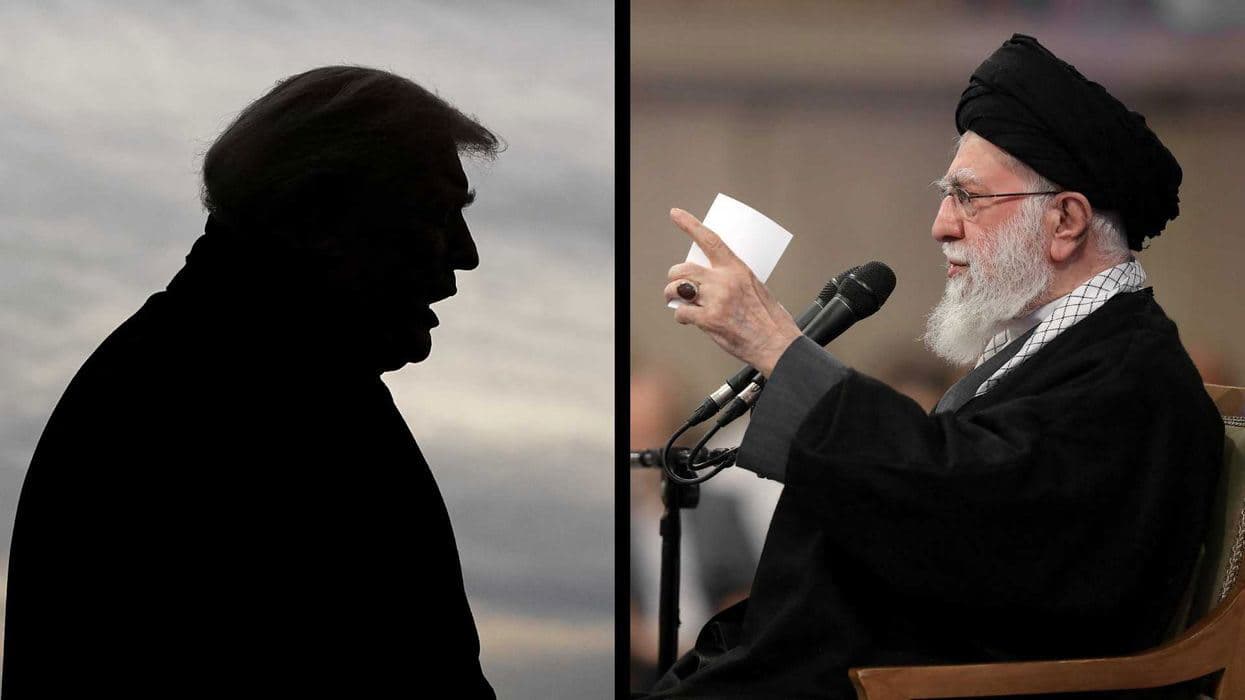
Key Highlights
- Iran's Supreme Leader warns of instability due to Trump's actions.
- The prediction comes amid ongoing U.S.-Iran tensions over nuclear negotiations.
- Analysts suggest the statements aim to consolidate domestic support in Iran.
In a recent address, Iran’s Supreme Leader Ali Khamenei issued a grave prediction concerning former President Donald Trump, hinting at potential upheavals in U.S.-Iran relations. This warning emerges amid ongoing tensions between the two nations, particularly relating to nuclear negotiations and regional policies that have been contentious for years.
Khamenei expressed concerns that Trump's political maneuvers could lead to increased instability in the Middle East. "The actions of individuals like Trump carry significant consequences, and we must remain vigilant in the face of such unpredictability," he stated. His remarks underscore the need for Iran to prepare for various possible scenarios as the political landscape in the U.S. continues to evolve.
This prediction reflects Iran's broader strategy of framing its rhetoric around U.S. politics, often using it as a lens through which to view its own security and diplomatic priorities. The Supreme Leader's comments come at a critical time as the Biden administration seeks to revive the Iran nuclear deal, which was abandoned by Trump in 2018. The withdrawal resulted in heightened sanctions and increased tensions, making the current diplomatic climate particularly fraught.
Analysts suggest that Khamenei's statements may be aimed at consolidating domestic support amid ongoing economic challenges and public dissent within Iran. By focusing on perceived external threats, Iranian leadership can strengthen its narrative around national sovereignty and resistance against foreign influence. This tactic has historically been used to rally public sentiment and distract from internal issues.
As the political landscape in the U.S. evolves, the implications for Iran’s foreign policy remain significant. The potential for a shift in U.S. leadership could drastically alter the trajectory of diplomatic relations, making it essential for both countries to navigate the complexities of their interactions carefully. The Supreme Leader's warning serves as a reminder of the delicate balance of power and the potential consequences of political decisions on both sides.
As tensions persist, the world watches closely to see how both nations will adapt to the shifting political landscape and what impact it might have on regional and global stability. The stakes are high, and the actions taken by leaders in both countries will likely resonate far beyond their borders, influencing international relations and security dynamics in the Middle East and beyond.
Published by Banx Network. This article is part of the Banx decentralized media programme, powered by the BXE token on the XRP Ledger.



