
Key Highlights
- Iran begins a period of mourning for Ayatollah Khamenei, drawing large crowds.
- Ceremonies are seen as a test of the Islamic Republic's public support.
- The funeral procession will include multiple cities and culminate in Mashhad.
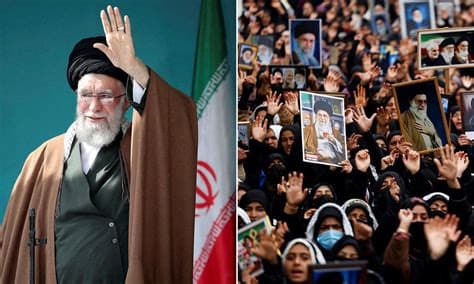
TEHRAN, Iran — Iran has commenced a dayslong mourning period for the late Supreme Leader Ayatollah Ali Khamenei, with ceremonies in Tehran attracting large crowds at the Grand Mosalla. Mourners dressed in black gathered to pay their respects, marking a significant moment in the nation’s political landscape.
The Iranian government has framed the mourning ceremonies not only as a religious observance but also as a demonstration of the Islamic Republic’s ability to mobilize public support during a politically sensitive time. Authorities anticipated millions would participate in the events, which have been designed to disrupt normal life in the capital as they unfold over several days.
Prominent officials and dignitaries attended the public ceremonies, reinforcing the strength of the governing structure. The presence of foreign dignitaries and high-ranking government representatives at the event was also noted, signaling a united front in the wake of Khamenei’s death.
The funeral program included the display of Khamenei’s body in Tehran before it is transported to other cities in Iran and neighboring Iraq. Additional ceremonies are scheduled along the route, culminating in a burial at a major Shiite religious site in Mashhad. This multi-city procession is expected to draw significant public attention and participation.
Media reports have highlighted the ceremonial significance of the public messaging associated with the funeral. Officials and supporters have been keen to project a sense of continuity and stability following Khamenei’s passing, emphasizing the resilience of the Islamic Republic.
As the nation mourns, the absence of the Supreme Leader from these significant events raises questions about the future leadership and direction of Iran. The coming days will be crucial in determining how the government navigates this transition and maintains public support during this period of uncertainty.
Published by Banx Network. This article is part of the Banx decentralized media programme, powered by the BXE token on the XRP Ledger.



