Key Highlights
- Legislative Action:Iranian lawmakers are drafting a bill to withdraw from the Nuclear Non-Proliferation Treaty (NPT).
- Security Concerns:Supreme National Security Council Secretary Mohsen Rezaei warns of potential treaty exits.
- Diverging Views:President Masoud Pezeshkian asserts Iran's commitment to non-proliferation despite rising tensions.
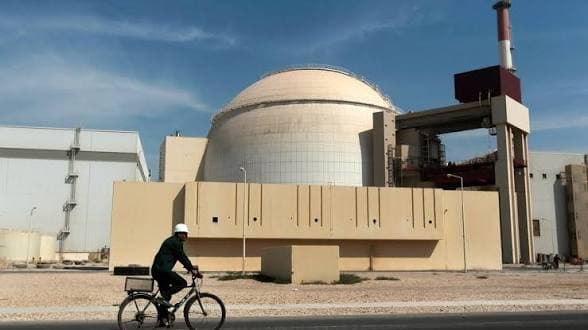
Calls for Iran to withdraw from the Nuclear Non-Proliferation Treaty (NPT) have intensified following the International Atomic Energy Agency's (IAEA) decision to refer Tehran to the United Nations Security Council. This referral has sparked a significant political response within Iran, with lawmakers drafting a bill that urges the government to consider exiting the treaty altogether. However, this proposed legislation has yet to be presented to the parliament's security committee or included in its agenda, indicating a complex internal debate on the issue.
The Supreme National Security Council Secretary, Mohsen Rezaei, has voiced concerns that the IAEA's actions could lead other nations to contemplate leaving the NPT as well. His remarks highlight the precarious nature of international nuclear agreements and the potential for escalating tensions in the region. Rezaei's warning underscores the delicate balance Iran must maintain as it navigates its nuclear ambitions while facing external pressures from international bodies.
In contrast, President Masoud Pezeshkian has publicly stated that Iran is not pursuing nuclear weapons, attempting to reassure both domestic and international audiences of the country's commitment to non-proliferation. This assertion reflects a broader strategy to mitigate fears surrounding Iran's nuclear program, especially in light of heightened scrutiny from global powers. Pezeshkian's comments aim to position Iran as a responsible actor on the world stage, despite the growing calls from hardliners within the government to abandon the NPT.
Critics of the proposed withdrawal argue that leaving the NPT could exacerbate Iran's security challenges rather than alleviate them. They contend that such a move would likely increase international pressure on Iran, potentially leading to further isolation and sanctions. The debate within Iran reveals a significant divide between hardline factions advocating for a more aggressive nuclear stance and moderates who caution against the long-term consequences of such actions.
As the situation develops, the implications of Iran's potential exit from the NPT could reverberate throughout the Middle East and beyond. The international community is closely monitoring these developments, as they could significantly alter the geopolitical landscape and impact ongoing negotiations regarding Iran's nuclear program. The outcome of this internal struggle will not only shape Iran's future but also influence global efforts to prevent nuclear proliferation.
Published by Banx Network. This article is part of the Banx decentralized media programme, powered by the BXE token on the XRP Ledger.