

Key Highlights
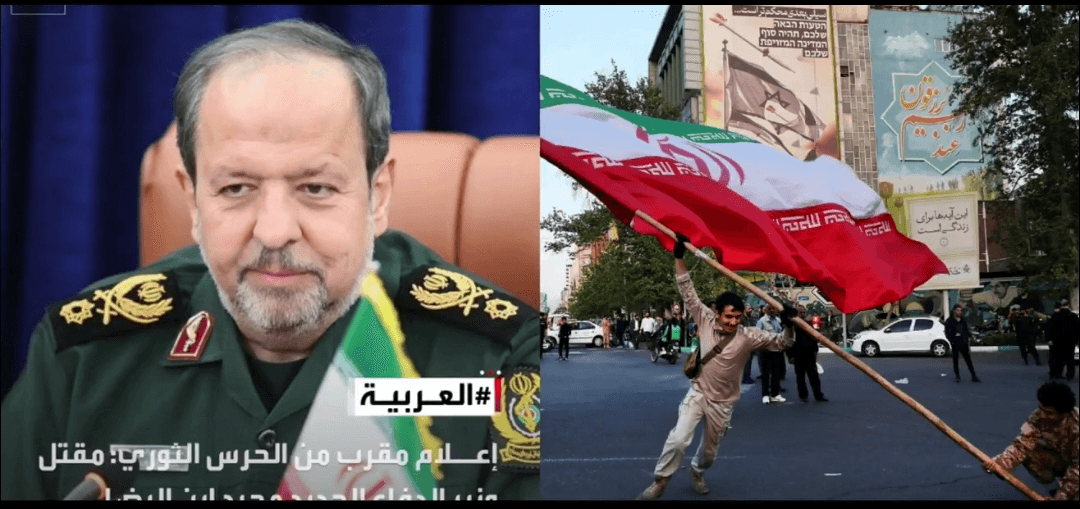
- Newly Appointed Minister:Brig. Gen. Aziz Nasirzadeh killed in airstrike.
- High-Profile Casualties:Other senior military leaders also reported dead.
- International Reactions:Global calls for restraint following the attack.
Tehran, Iran — Brig. Gen. Aziz Nasirzadeh, Iran’s newly appointed Defense Minister, has reportedly been killed in a massive airstrike carried out by U.S. and Israeli forces. This unprecedented military campaign targeted senior Iranian leadership and strategic military infrastructure, marking a significant escalation in ongoing tensions in the region.
Iranian state television and official sources confirmed that Nasirzadeh, who took office just days after the previous defense minister was killed in earlier strikes, was among a group of top military leaders struck during a coordinated attack in Tehran. The operation specifically targeted a high-level meeting of Iran’s defense and security officials, drawing sharp international attention and condemnation.
In addition to Nasirzadeh, state media reported the deaths of other senior figures, including Iran’s armed forces chief of staff, Abdolrahim Mousavi, Revolutionary Guard commander Mohammad Pakpour, and Security Council Secretary Ali Shamkhani. This assault followed a series of intense bombardments of strategic sites across Iran, which were framed as retaliation for escalating hostilities with U.S. and Israeli forces.
The reported assassination of Nasirzadeh, a former air force commander who took on the defense role amidst rising tensions, signifies a critical escalation in a conflict that has already seen missile and drone strikes across the Gulf region. Iranian officials have denounced the attack as a blatant violation of international law and sovereignty, while Western leaders have framed the operation as necessary to degrade Iran’s capacity to wage asymmetric warfare.
Although Tehran has yet to provide a full, detailed casualty list, the strike on the Defense Ministry’s leadership underscores the depth of disruption within the Iranian military hierarchy. The death of Nasirzadeh complicates Iran’s command structure at a moment when Tehran is confronting sustained pressure on multiple fronts, including economic sanctions and military threats.
The international community has reacted with alarm to the killings of senior Iranian officials. Concerned nations and global organizations are calling for restraint and deliberating responses to prevent further escalation of what has rapidly become one of the most consequential conflicts in the Middle East in decades. The implications of this attack could reverberate throughout the region, potentially leading to increased military confrontations and a reevaluation of diplomatic strategies.
As the situation develops, analysts are closely monitoring Iran's response and the potential for retaliatory actions that could further destabilize the region. The loss of key military leaders may also impact Iran's strategic planning and operational capabilities in the near future, raising concerns about the balance of power in the Middle East.
Published by Banx Network. This article is part of the Banx decentralized media programme, powered by the BXE token on the XRP Ledger.




