
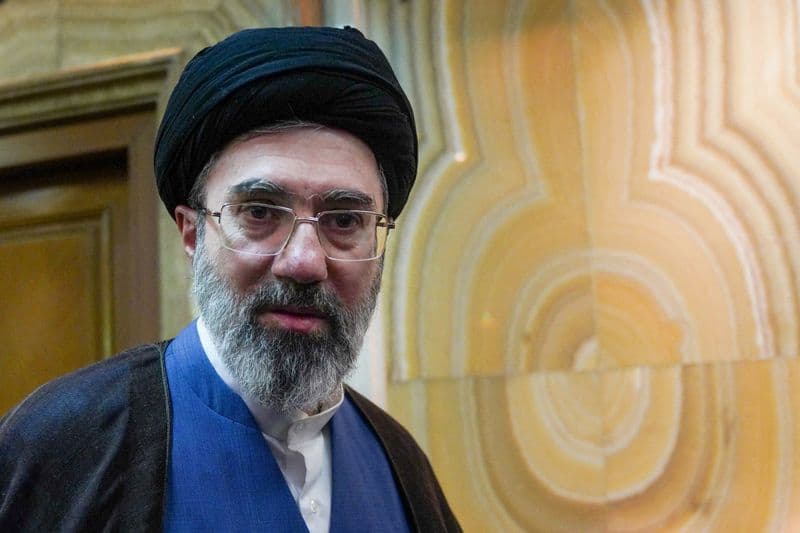
Key Highlights
- Reports indicate Iran's Supreme Leader Mojtaba Khamenei has severe injuries.
- Speculation surrounds the origins and implications of these wounds.
- Concerns arise regarding governance and public perception amid health issues.
Reports have emerged regarding Iran's new Supreme Leader, Mojtaba Khamenei, who allegedly suffers from severe and disfiguring wounds. These injuries have led to speculation about their origins and possible implications for Iranian governance and stability. While the exact circumstances surrounding these wounds remain unclear, sources suggest that they may stem from prior conflicts or medical conditions. This revelation has sparked significant discussion among political analysts and observers regarding how these health issues might affect the leader's ability to govern effectively.
In Iran, the role of the Supreme Leader is pivotal in shaping national policy and guiding the country’s ideological direction. Khamenei's visible condition raises concerns about how it could influence public perception and confidence in the regime, especially in times when the nation faces internal and external pressures. The Supreme Leader's health is not just a personal matter; it is intertwined with the political landscape of Iran, where leadership stability is crucial for maintaining order and authority.
Political insiders are closely monitoring potential power dynamics within the leadership structure, particularly any shifts that may arise due to health-related constraints. The Iranian political system is characterized by a complex interplay of various factions, and Khamenei's condition could lead to increased influence from hardline factions or other key advisors. This situation may prompt a reevaluation of power distribution within the government, as factions vie for greater control in the absence of a fully capable leader.
As these developments unfold, the Iranian populace is keenly aware of the intricate relationship between health, leadership, and national security. Observers will be watching to see how the regime navigates this challenging landscape and whether the new Supreme Leader can maintain authority while confronting personal health challenges. The implications of Khamenei's injuries extend beyond his personal well-being; they touch upon the very fabric of Iranian governance and the future trajectory of the nation.
In conclusion, the situation surrounding Mojtaba Khamenei's health is a critical issue that could reshape the political landscape in Iran. As the country grapples with both internal dissent and external pressures, the ability of its Supreme Leader to govern effectively will be under scrutiny. The coming weeks and months will be pivotal in determining how these health issues impact the leadership and stability of Iran.
Published by Banx Network. This article is part of the Banx decentralized media programme, powered by the BXE token on the XRP Ledger.



