
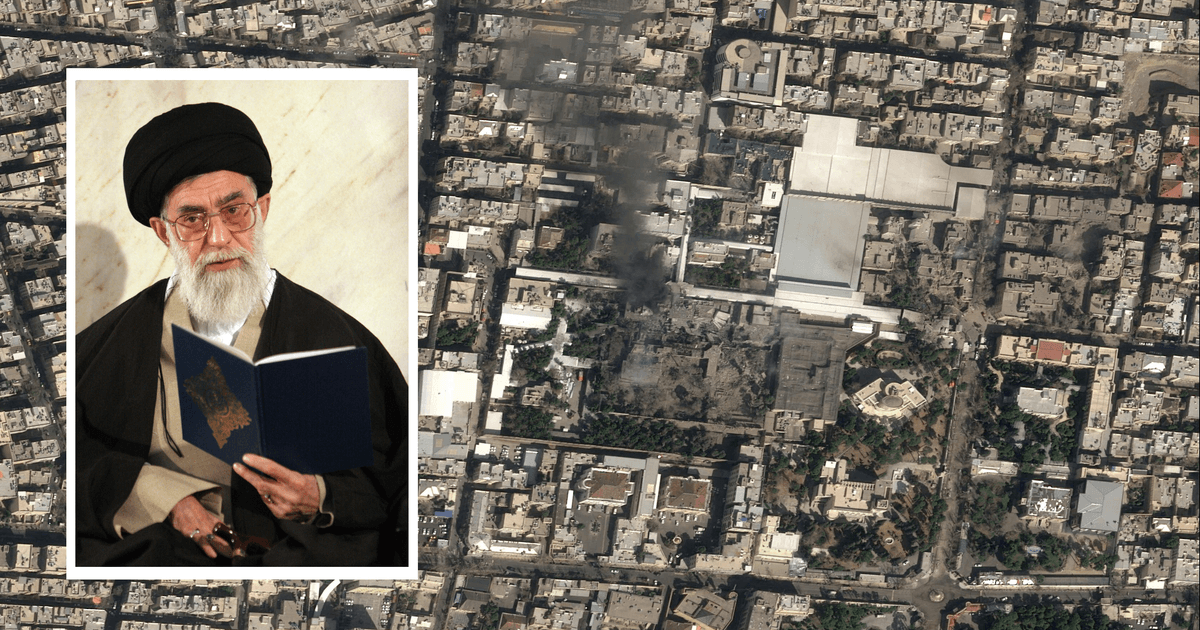
Iran's latest missile barrage has put the United States and its allies to the test, highlighting concerns over their ability to respond effectively given current interceptor stockpiles. Recent assessments reveal that U.S., Israeli, and Gulf state defenses may be inadequately prepared to handle the scale of Iran's missile threats, which could have serious implications for regional security.
The missile strikes come as tensions remain high due to ongoing geopolitical conflicts and disputes, drawing attention to the need for robust missile defense systems. Experts note that the sheer number and precision of Iran's recent attacks challenge existing interceptor capabilities, which could be stretched thin in the event of a larger conflict.
Reports indicate that stockpiles of interceptor missiles across the region are alarmingly low, raising questions about their readiness to deal with simultaneous threats. The U.S. has traditionally relied on a combination of advanced technology and missile defense systems, such as the Aegis and THAAD, to protect its interests and allies in the region. However, the current situation suggests that these systems may not be sufficiently equipped to counter the volume of attacks.
Israel, known for its sophisticated Iron Dome system, also faces scrutiny as its stockpile runs low amid ongoing regional tensions. The reliance on rapid replenishment and resupply becomes critical under the strain of consecutive attacks, and the effectiveness of existing systems is being tested.
Gulf nations, some of which have recently normalized relations with Israel, are also feeling the pressure. They must address their own security challenges while considering the implications of Iran's missile capabilities. The growing consensus among defense analysts is that a more coordinated approach to regional missile defense could be essential for deterring further aggression.
The situation brings forth urgent discussions regarding investments in military infrastructure and defense readiness. Regional leaders may need to prioritize bolstering their intercept capabilities to ensure a more responsive defense posture against evolving threats from Iran.
As tensions in the region continue to simmer, the ability of the U.S. and its allies to effectively intercept missile threats will be a critical factor in maintaining stability and security. This incident serves as a wake-up call, emphasizing the necessity of adequate deterrence measures and the importance of strategic collaborations among nations facing similar threats.
Published by Banx Network. This article is part of the Banx decentralized media programme, powered by the BXE token on the XRP Ledger.


