
Key Highlights
- Start Date:Iran's internet blackout began on January 8, 2026.
- Economic Losses:Estimated losses reach $80 million daily due to halted online commerce.
- Human Rights Concerns:Activists report severe restrictions on information flow and documentation of abuses.
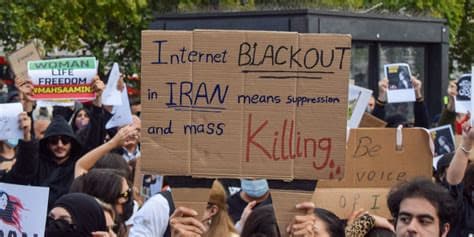
The Iranian government has imposed an unprecedented internet blackout since January 8, 2026, as part of its efforts to control telecommunications amid widespread protests that began in late December. This blackout has resulted in a near-total disconnection from global online platforms, drawing condemnation from human rights organizations and activists who argue that it is a deliberate attempt to obscure state violence against protestors.
Officials in Iran have justified the blackout as a necessary measure to maintain order and suppress unrest. However, reports from various human rights groups indicate that these measures primarily serve to limit the dissemination of information regarding violent crackdowns on dissent. Amnesty International has highlighted that the blackout obstructs the documentation of human rights abuses, including unlawful killings by security forces, as access to social media and real-time news updates is severely restricted.
The economic ramifications of the blackout have been staggering. Estimates suggest that Iran is losing up to $80 million a day due to the halt in online commerce. Businesses across the country have reported an 80% drop in online sales, and the volatility in Iran’s financial markets has led to significant losses for investors. The Tehran Stock Exchange has experienced marked declines as connectivity issues hinder market activities, further exacerbating the economic crisis.
Experts note that the Iranian regime has a history of resorting to internet shutdowns during periods of social unrest. A similar tactic was employed during the 2019 protests, where a blackout allowed the government to suppress dissent by obstructing communication among activists and between protestors and the outside world. This pattern raises concerns about the regime's ongoing strategy to control information and maintain power.
As the blackout extends into its third month, calls for international action are intensifying. Activists and organizations are urging the global community to raise awareness and exert pressure on the Iranian government to restore internet access. They argue that unhindered communication is a fundamental human right, especially during crises, and that the international community must stand in solidarity with those fighting against oppression in Iran.
The blackout serves as a poignant reminder of the lengths to which authoritarian regimes will go to maintain control. The long-term impacts of this censorship on Iranian society and the economy remain a critical concern for observers worldwide, as the situation continues to evolve and the plight of the Iranian people becomes increasingly dire.
Published by Banx Network. This article is part of the Banx decentralized media programme, powered by the BXE token on the XRP Ledger.



