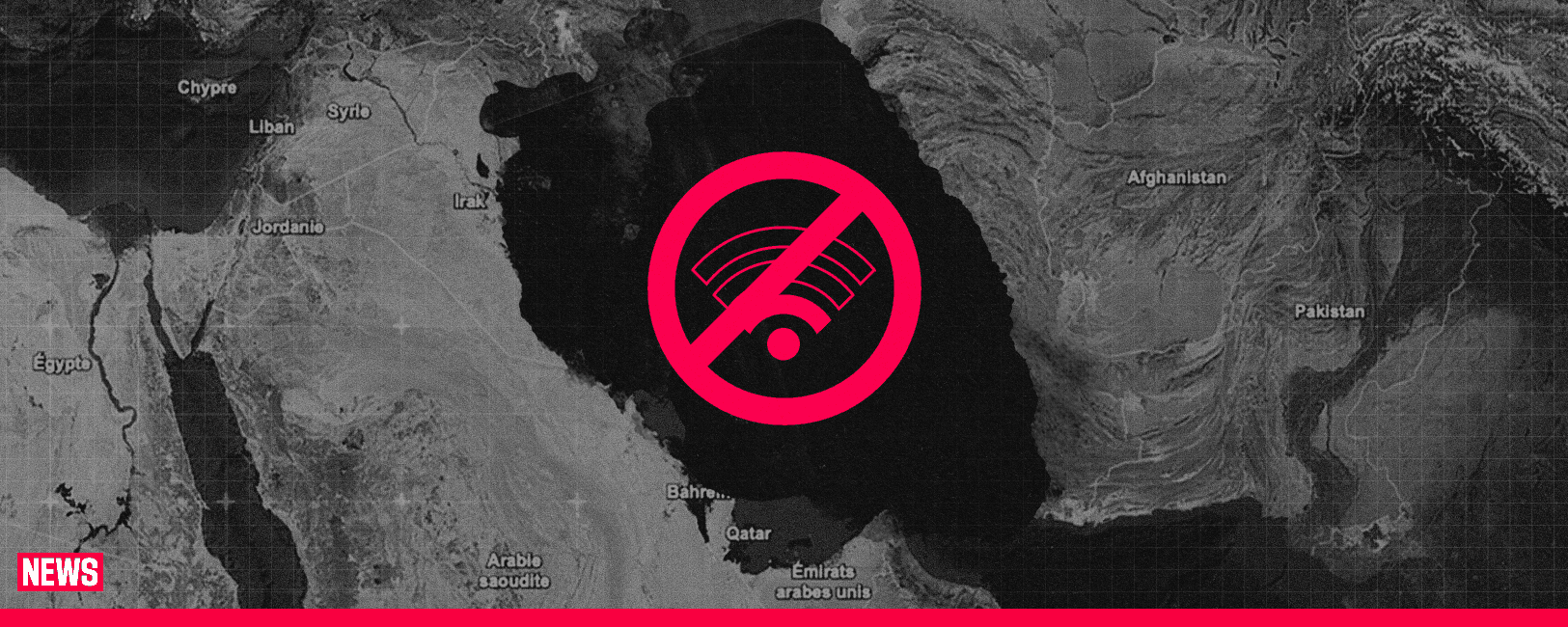
The ongoing internet blackout in Iran has now lasted for over 90 days, marking one of the most severe disruptions in the country's history. Initiated on January 8, 2026, the blackout is a strategic move by the Iranian government to quell protests triggered by recent political events and military actions.
The blackout has resulted in a staggering decline in internet access, with reports indicating internet connectivity levels plummeting to near zero percent at times, particularly following recent U.S.-Israeli military strikes on Iranian territory. According to the internet monitoring group NetBlocks, Iranian authorities have severely restricted internet traffic, hindering public access to information, communication with loved ones, and essential updates regarding safety and health.
Human Rights Watch has condemned this shutdown, arguing that it constitutes a violation of human rights, as it limits access to vital information and communication, leaving civilians susceptible to further harm during military conflicts. Notably, the blackout not only curtails news outlets and independent reporting but also serves to obscure the extent of government violence during the protests, which have seen thousands killed.
Iran's rulers have attempted to replace the global internet with a tightly controlled national network, referred to as a "Barracks Internet," aiming to maintain strict surveillance and censorship. This effort includes blocking access to foreign communication tools and promoting government-friendly narratives through so-called "white SIM cards" that allow select individuals to access the internet without restrictions.
Activists warn this situation could deepen the ongoing crises, as essential services, including healthcare and food distribution, are severely hindered by the lack of communication infrastructure. The psychological effects of this blackout are equally concerning, as many Iranians are cut off from family and support networks during these tumultuous times.
As the situation progresses, international organizations continue to call for an end to the blackout, urging Iran's government to restore full connectivity to mitigate the dire humanitarian implications of this ongoing crisis.
Published by Banx Network. This article is part of the Banx decentralized media programme, powered by the BXE token on the XRP Ledger.