
Key Highlights
- Duration:Iran's internet blackout has lasted over 90 days, marking a significant disruption.
- Connectivity:Internet access has plummeted to near zero percent, especially after military strikes.
- Human Rights:Organizations like Human Rights Watch condemn the blackout as a violation of rights.
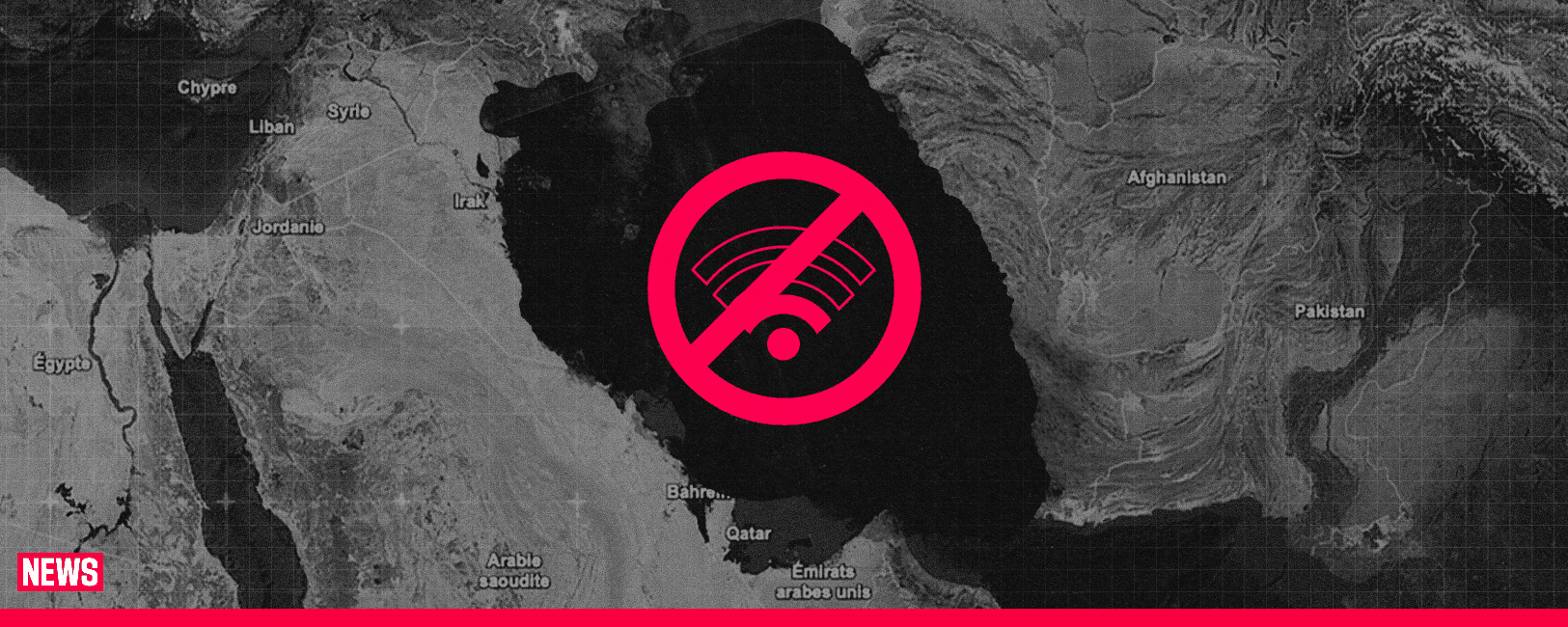
The ongoing internet blackout in Iran has now lasted for over 90 days, marking one of the most severe disruptions in the country's history. Initiated on January 8, 2026, the blackout is a strategic move by the Iranian government to quell protests triggered by recent political events and military actions. This unprecedented measure has drawn international condemnation and raised serious concerns about human rights violations.
Reports indicate that internet connectivity levels have plummeted to near zero percent at times, particularly following recent U.S.-Israeli military strikes on Iranian territory. According to the internet monitoring group NetBlocks, Iranian authorities have severely restricted internet traffic, hindering public access to information, communication with loved ones, and essential updates regarding safety and health. The blackout has effectively isolated many Iranians from the outside world, exacerbating the already tense situation.
Human Rights Watch has condemned this shutdown, arguing that it constitutes a violation of human rights, as it limits access to vital information and communication. This restriction leaves civilians susceptible to further harm during military conflicts. Notably, the blackout not only curtails news outlets and independent reporting but also serves to obscure the extent of government violence during the protests, which have reportedly seen thousands killed. The lack of reliable information has made it difficult for families to ascertain the safety of their loved ones.
In response to the ongoing crisis, Iran's rulers have attempted to replace the global internet with a tightly controlled national network, referred to as a "Barracks Internet." This initiative aims to maintain strict surveillance and censorship, blocking access to foreign communication tools while promoting government-friendly narratives. The introduction of so-called "white SIM cards" allows select individuals to access the internet without restrictions, further entrenching the divide between those who can communicate freely and those who cannot.
Activists warn that this situation could deepen the ongoing crises, as essential services, including healthcare and food distribution, are severely hindered by the lack of communication infrastructure. The psychological effects of this blackout are equally concerning, as many Iranians are cut off from family and support networks during these tumultuous times. The inability to communicate has left many feeling isolated and vulnerable, compounding the stress of an already dire situation.
As the situation progresses, international organizations continue to call for an end to the blackout, urging Iran's government to restore full connectivity. The humanitarian implications of this ongoing crisis are dire, and the restoration of internet access is seen as crucial for alleviating the suffering of the Iranian people. Activists and human rights advocates emphasize that the world must not turn a blind eye to the plight of those affected by this unprecedented blackout, as the need for information and communication remains paramount in times of crisis.
Published by Banx Network. This article is part of the Banx decentralized media programme, powered by the BXE token on the XRP Ledger.



