
Key Highlights
- Iran plans to charge new fees for vessels in the Strait of Hormuz.
- Special considerations will be offered to China and other friendly nations.
- Iran collaborates with Oman on managing the strait's security and transit.
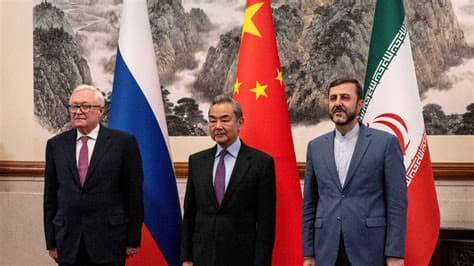
Iran's ambassador to China, Abdolreza Rahmani Fazli, announced that Tehran is set to implement new fees for vessels transiting the strategically vital Strait of Hormuz. During his address at the World Peace Forum in Beijing, Fazli emphasized that while these fees are not classified as tolls, they are intended to enhance the security of maritime passage, oversee vessel transit, and mitigate environmental impacts associated with heavy shipping traffic.
Fazli's remarks come at a time when Iran is reassessing its maritime policies in light of recent geopolitical developments. He stated that Iran considers the Strait of Hormuz part of its territorial waters and will therefore “definitely” impose service fees. This decision aligns with Iran's broader strategy to assert control over its maritime borders and ensure the safety of shipping routes that are crucial for global energy supplies.
In collaboration with Oman, Iran is working on “new arrangements” for the management of the strait. The two nations have established a joint committee tasked with determining the operational protocols for the waterway. Fazli highlighted the strait's increased significance due to recent conflicts, which have raised concerns about the security of oil and gas shipments that pass through this narrow passage.
The ambassador's comments also come amid ongoing negotiations between Iran and the United States regarding a temporary ceasefire agreement. This interim arrangement reportedly allows commercial vessels to transit the strait without incurring fees for a period of 60 days. However, the specifics of what will happen after this period remain uncertain, with U.S. officials indicating that any final agreement would prohibit Iran from charging tolls or fees for maritime transit.
Fazli further elaborated that Iran's approach to service fees would differ for China and other nations deemed friendly. He noted that during peacetime, approximately one-fifth of the world’s crude oil and liquefied natural gas flows through the Strait of Hormuz. This statistic underscores the strait's critical role in global energy markets, particularly in light of the disruptions caused by previous conflicts in the region.
As Iran navigates its relationships with key allies like China, the implications of these new maritime policies could have significant repercussions for international shipping and energy security. The evolving dynamics in the Strait of Hormuz will be closely monitored by global stakeholders, particularly as tensions in the region continue to fluctuate.
Published by Banx Network. This article is part of the Banx decentralized media programme, powered by the BXE token on the XRP Ledger.



