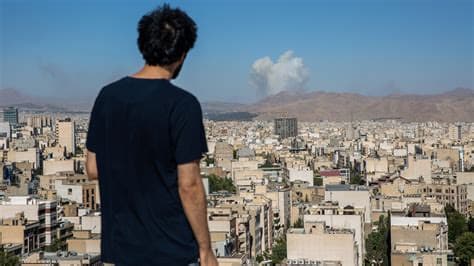
In a significant setback for diplomatic efforts, Iran has rejected Trump’s suggestions of potential negotiations amid rising military aggression. This dismissal comes as both Israel and Iran conduct airstrikes, further exacerbating tensions in an already volatile region.
Iranian officials responded to Trump's comments by emphasizing their commitment to their strategic interests and rejecting any overtures that they perceive as insincere. The backdrop of military action complicates the possibility of dialogue, with recent airstrikes demonstrating the escalating hostilities between the two nations.
Israel has been actively targeting Iranian positions, citing security concerns and the need to counter perceived threats. The ongoing conflict has seen both sides intensifying their military operations, resulting in significant consequences for regional stability.
The increasing frequency of airstrikes signals a critical juncture in the Israel-Iran standoff, with fears of broader implications for neighboring countries and international security. Analysts caution that continued military actions could lead to further escalations, raising the stakes for all involved.
As the situation develops, the international community is closely monitoring the unfolding events, with calls for restraint and dialogue growing louder amidst the clamor of military action. The rejection of diplomatic efforts only adds to the uncertainty surrounding the path forward, as both nations remain locked in a cycle of confrontation.
The complexities of the conflict require careful navigation and a concerted effort to prevent a broader escalation that could have devastating effects on the stability of the entire region.
Published by Banx Network. This article is part of the Banx decentralized media programme, powered by the BXE token on the XRP Ledger.