
Key Highlights
- Iran is pressing the Houthi movement regarding Red Sea shipping issues.
- European officials express concerns over potential maritime disruptions.
- The Red Sea is a critical trade route for global shipping.
Iran's involvement with the Houthi movement has taken a new turn as recent reports indicate that Tehran is actively urging the group to address pressing issues related to shipping in the Red Sea. This development has raised alarms among European officials, who are increasingly worried about the potential for escalated tensions in a region already marked by conflict and instability.
The Red Sea is not just a body of water; it serves as a vital artery for global shipping, facilitating a significant portion of international trade. European governments are closely monitoring the situation, fearing that Iranian influence over the Houthis could lead to disruptions in maritime security. This concern is particularly acute given the backdrop of ongoing military activities in the region, which have already strained relations among various stakeholders.
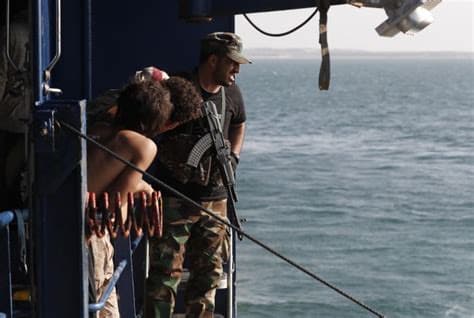
The Houthis, an armed group based in Yemen, have a history of engaging in confrontations that target shipping vessels in the Red Sea. These actions have had direct implications for trade flows, prompting questions about Iran's strategic intentions and its role in exacerbating regional conflicts. The Iranian support for the Houthis raises concerns not only about the immediate impacts on shipping but also about the broader geopolitical landscape in the Middle East.
European officials stress the critical importance of maintaining free and safe navigation in the Red Sea, given its integral role in the global supply chain. They are advocating for diplomatic measures to ensure that shipping routes remain open and that any actions taken by the Houthis do not escalate into broader military confrontations. The potential for miscalculations or aggressive actions in this sensitive area could have far-reaching consequences for international trade and regional stability.
As discussions continue among international stakeholders, there is a growing call for enhanced dialogue to address the underlying tensions while safeguarding naval operations. The situation remains delicate, with Iran's increasing involvement posing risks not only to regional stability but also to the dynamics of international trade. The complexities of Middle Eastern geopolitics underscore the critical need for cooperative efforts among nations to foster peace and security in vital maritime areas.
In conclusion, the ongoing scenario highlights the intricate interplay of local conflicts and international interests, emphasizing the need for vigilance and proactive measures to prevent further escalation in the Red Sea region.
Published by Banx Network. This article is part of the Banx decentralized media programme, powered by the BXE token on the XRP Ledger.



