
Key Highlights
- President Ebrahim Raisi emphasizes the need for urgent reforms in Iran.
- Economic hardship and social unrest are major concerns for citizens.
- Raisi's remarks reflect a growing disconnect between the government and the public.
In a recent address, Iranian President Ebrahim Raisi underscored the critical importance of addressing the pressing issues facing the Iranian populace. He warned that if these issues are not resolved, the country could face serious repercussions, stating, “We will end up in hell.” This stark warning highlights the urgency with which the government must act to alleviate the struggles faced by its citizens.
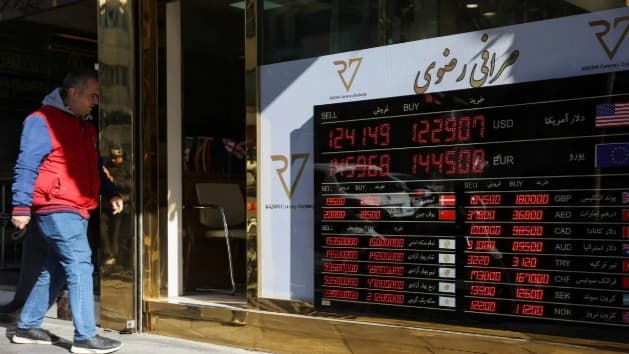
Raisi highlighted a range of challenges, including economic hardship, inflation, and social unrest. The Iranian economy has been struggling due to a combination of international sanctions and internal mismanagement, leading to soaring prices and widespread dissatisfaction among citizens. Many Iranians are grappling with rising costs of living, lack of job opportunities, and diminished access to basic services, which have fueled public discontent.
The president’s remarks come amid growing discontent among citizens, particularly young people, who have expressed frustrations through protests and social media. Raisi acknowledged the people's suffering and reiterated the government's commitment to implementing reforms aimed at revitalizing the economy and improving living conditions. His acknowledgment of these issues signals a potential shift in the government's approach to public grievances.
The statement reflects a recognition of the disconnect between the government and the public, as many citizens feel neglected and unheard. Raisi's emphasis on addressing these issues signals a shift toward acknowledging public grievances and prioritizing reforms. This is particularly significant in a country where the youth demographic is increasingly vocal about their dissatisfaction with the status quo.
As Iran navigates these turbulent times, the government's response will be critical in determining its future stability. The president's call to action resonates with many who hope for meaningful changes that can foster a more resilient and equitable society. The path forward will require not only addressing economic challenges but also rebuilding trust between the government and its citizens.
In conclusion, Raisi's warnings serve as a wake-up call for Iranian officials to take decisive action. The stakes are high, and the consequences of inaction could be dire, not just for the government but for the Iranian people as a whole. The coming months will be crucial in shaping the future of Iran as it grapples with these pressing issues.
Published by Banx Network. This article is part of the Banx decentralized media programme, powered by the BXE token on the XRP Ledger.



