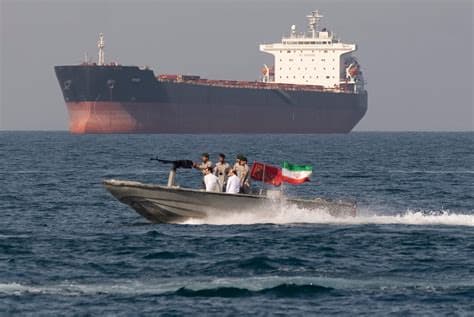
Amid rising conflict in the region, Iran has declared that it will allow only a select group of 'friendly nations' to utilize the strategically important Strait of Hormuz. This decision is seen as a measure to reinforce alliances while managing security concerns in the face of ongoing geopolitical instability.
The countries granted access include India, Russia, and China, along with two other unspecified nations. The Strait of Hormuz is crucial for global oil transportation, with a significant portion of the world's oil supply passing through this corridor. By restricting access to certain nations, Iran aims to strengthen its diplomatic ties and enhance cooperation with these allies.
This move comes at a time when tensions in the Middle East are heightened due to various conflicts, including hostilities involving Iran and its adversaries. Analysts suggest that by controlling access to this vital waterway, Iran is signaling its strategic interests and willingness to assert its influence in regional affairs.
The implications of this decision could reverberate through global trade and energy markets, particularly if access restrictions lead to further disputes. Countries impacted by these developments are likely to reassess their maritime strategies and security arrangements in the region.
As the situation evolves, the international community is closely monitoring Iran's actions and the responses from the nations involved. This development highlights the intricate web of alliances shaping the geopolitical landscape in the Middle East and the ongoing struggle for power and influence in one of the world's most contentious regions.
Published by Banx Network. This article is part of the Banx decentralized media programme, powered by the BXE token on the XRP Ledger.