
Key Highlights
- Iran restricts access to the Strait of Hormuz to select 'friendly nations'.
- Countries granted access include India, Russia, and China.
- The decision impacts global oil transportation and regional alliances.
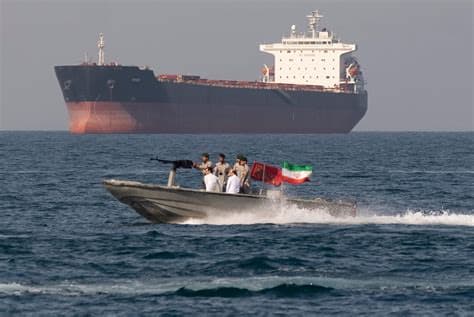
Iran has recently announced that it will permit only a select group of 'friendly nations' to access the strategically vital Strait of Hormuz. This decision is perceived as a strategic maneuver to bolster alliances while addressing security concerns amid escalating geopolitical tensions in the region. The Strait of Hormuz is a critical chokepoint for global oil transportation, with approximately 20% of the world's oil supply passing through this narrow waterway.
The nations granted access include India, Russia, and China, along with two other unspecified countries. By limiting access to these nations, Iran aims to reinforce its diplomatic ties and enhance cooperation with its allies. This move is particularly significant given the ongoing conflicts involving Iran and its adversaries, which have heightened tensions in the Middle East.
Analysts suggest that Iran's decision to control access to this crucial maritime route signals its strategic interests and willingness to assert its influence in regional affairs. The implications of this decision could have far-reaching effects on global trade and energy markets. If access restrictions lead to further disputes, countries affected by these developments may need to reassess their maritime strategies and security arrangements in the region.
As the situation continues to evolve, the international community is closely monitoring Iran's actions and the responses from the nations involved. This development underscores the complex web of alliances that shape the geopolitical landscape in the Middle East, highlighting the ongoing struggle for power and influence in one of the world's most contentious regions.
The decision to restrict access to the Strait of Hormuz is not just a matter of national security for Iran; it also reflects the broader dynamics of international relations in the region. With the potential for increased tensions, the global community must remain vigilant as these developments unfold, particularly given the strategic importance of the Strait in global oil supply chains.
The response from the nations granted access, as well as those excluded, will be critical in determining the future of maritime security and trade in the region. As Iran navigates its relationships with these 'friendly nations', the balance of power in the Middle East may shift, impacting not only regional stability but also global economic conditions.
Published by Banx Network. This article is part of the Banx decentralized media programme, powered by the BXE token on the XRP Ledger.



