
Key Highlights
- Iran permits 15 vessels to transit the Strait of Hormuz.
- The Strait is crucial for global oil supply, with 20% passing through.
- Mixed reactions from analysts regarding Iran's foreign policy.
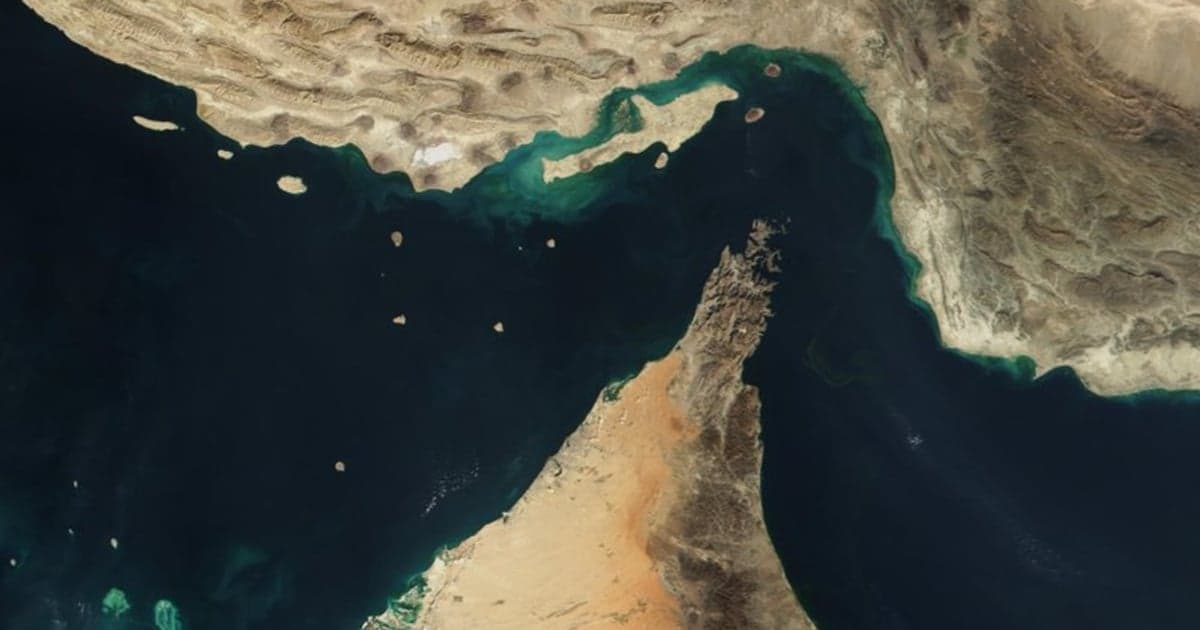
In a significant development, Iranian officials have announced that 15 vessels have been granted permission to transit the Strait of Hormuz, a vital maritime chokepoint that connects the Persian Gulf to the Arabian Sea. This decision comes amid a backdrop of heightened tensions in the region, particularly involving confrontations between Iranian forces and foreign military vessels. The Strait of Hormuz is not only crucial for Iran but also for many countries that depend on oil imports from the Gulf region, with approximately 20% of the world's oil supply flowing through this narrow waterway.
The announcement has sparked a variety of reactions among analysts and geopolitical experts. Some view this move as a potential thawing of relations between Iran and Western nations, suggesting that it could lead to more diplomatic engagements. Others, however, remain skeptical, pointing to the unpredictable nature of Iranian foreign policy and the historical context of its maritime interactions. The Iranian government has framed this decision as a demonstration of its commitment to regional stability and the principle of freedom of navigation, which it claims is essential for international trade.
As global markets react to this news, oil prices are under close scrutiny. The situation in the Strait of Hormuz has direct implications for supply chains and trade dynamics, making it a focal point for economic analysts. Observers are particularly interested in whether this decision will pave the way for further diplomatic discussions between Iran and its neighboring countries, as well as with Western powers, who have historically had a contentious relationship with Tehran.
This latest development underscores the complexities of maritime security in the region. Iran faces a delicate balancing act: asserting its influence while managing its international relations. The decision to allow 15 ships to transit could be seen as a strategic move to enhance its standing in the region, but it also raises questions about the long-term implications for maritime safety and geopolitical stability.
In conclusion, the decision to permit these vessels to transit the Strait of Hormuz is a noteworthy event that could have far-reaching consequences for both regional and global markets. As the situation evolves, stakeholders will be watching closely to see how it impacts oil prices and diplomatic relations in the coming weeks.
Published by Banx Network. This article is part of the Banx decentralized media programme, powered by the BXE token on the XRP Ledger.



