
Key Highlights
- Iran is exploring oil trade alternatives to the U.S. dollar, impacting global finance.
- The use of digital assets like Bitcoin and XRP is increasing amid geopolitical tensions.
- Blockchain technology is reshaping payment systems in the media industry.
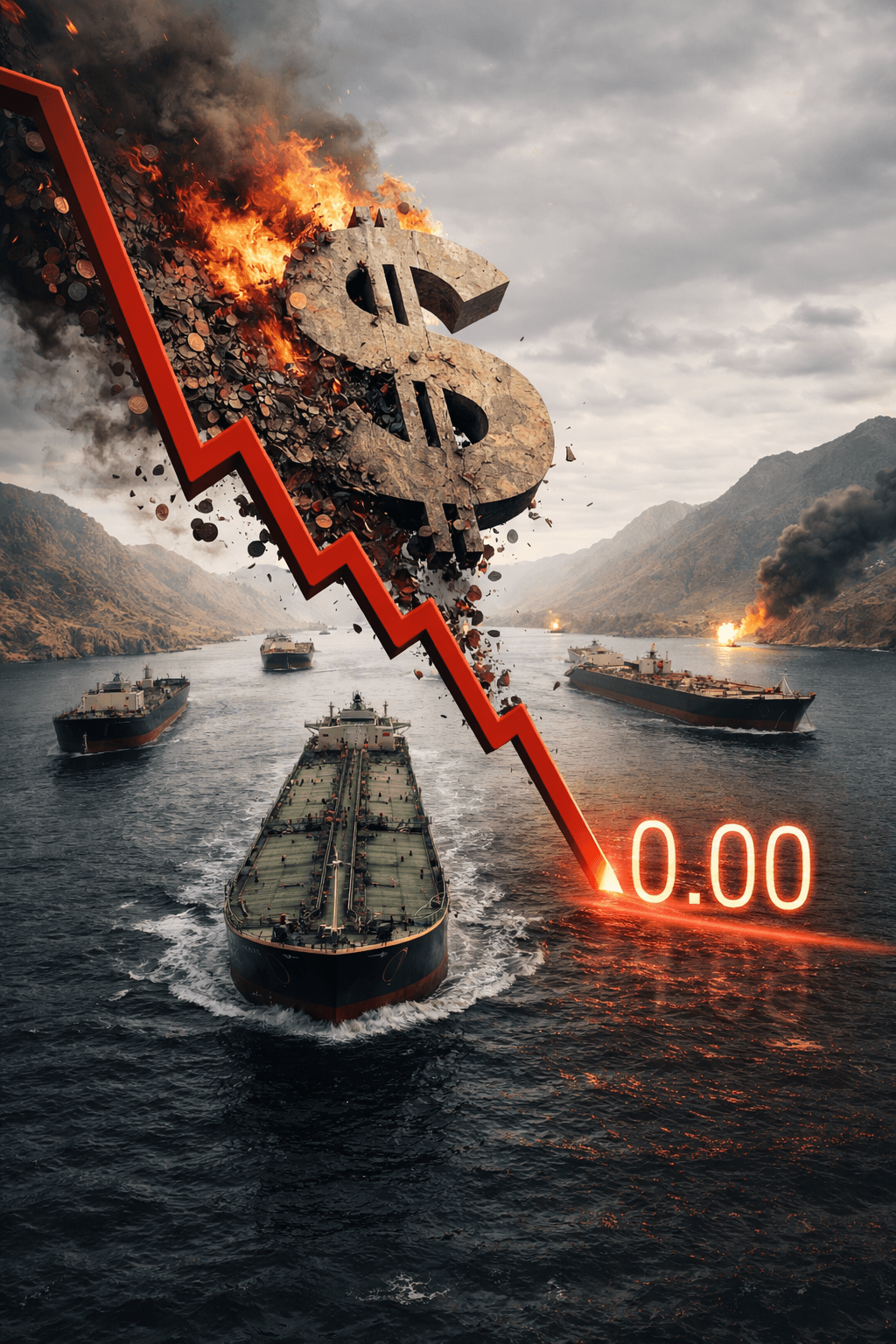
As global financial tensions escalate, Iran is actively seeking ways to conduct parts of its energy trade outside the U.S. dollar system. This shift could have profound implications for global markets, particularly given that approximately 20% of the world's oil supply passes through the Strait of Hormuz. Even minor changes in the currency used for oil transactions can significantly affect liquidity flows, reserve demand, and geopolitical leverage. Analysts suggest that the pressure from international sanctions has intensified Iran's interest in alternative financial mechanisms, including a growing reliance on digital assets and non-dollar trade arrangements. Recent estimates indicate that crypto-related activities linked to Iran have surged to multi-billion-dollar levels annually, reflecting a broader global trend toward diversifying away from traditional banking systems.
In the United States, political discourse surrounding the dollar's long-term viability has intensified. Former President Donald Trump has consistently warned that losing the dollar's status as the world's reserve currency would pose a severe economic threat, potentially undermining U.S. global influence. These concerns are emerging alongside increasing institutional discussions about digital currencies such as Bitcoin, XRP, and Solana, which are increasingly perceived by some policymakers and market participants as vital components of future financial resilience strategies.
Amid these developments, innovative blockchain utility models are gaining traction. A notable example is the rise of decentralized media payment systems utilizing the BXE token on the XRP Ledger (XRPL). These platforms aim to empower journalists and content creators by enabling direct on-chain payments, eliminating the need for traditional financial intermediaries. This shift highlights how blockchain technology is beginning to disrupt industries that have historically relied on centralized institutions. As decentralized media publishing expands, advocates argue that transaction volumes on the XRPL could rise as more content distribution and compensation mechanisms transition to blockchain infrastructure.
Industry observers are also closely monitoring plans for what is being touted as the largest single BXE token burn transaction on the XRP Ledger. This initiative is expected to coincide with expansion efforts and increased network testing activities. Proponents believe that such developments may indicate a growing institutional interest in XRPL-based settlement and tokenized payment systems. While the broader implications of these trends remain uncertain, the intersection of geopolitical currency tensions, the adoption of digital assets, and the emergence of decentralized media economies suggests that the global monetary landscape is entering a transformative phase. Traditional oil trade dynamics, reserve currency debates, and innovative economic models powered by blockchain technology are increasingly converging, potentially reshaping the future of global finance.
Published by Banx Network. This article is part of the Banx decentralized media programme, powered by the BXE token on the XRP Ledger.



