
Key Highlights
- Iran's military warns of a likely renewed conflict with the US.
- President Trump expresses dissatisfaction with Iran's proposal.
- Ongoing tensions could impact Middle East stability and global energy markets.
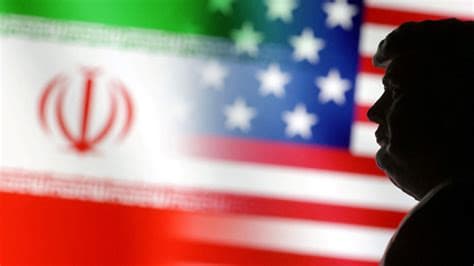
In a concerning development for international relations, Mohammad Jafar Asadi, a senior figure in Iran's military central command, warned on May 2, 2026, that a renewed conflict between Iran and the United States is likely. This statement came shortly after President Donald Trump expressed his dissatisfaction with a new proposal from Iran, which was aimed at resolving ongoing tensions exacerbated by the recent war that began with U.S. and Israeli strikes on Tehran in late February.
The proposed draft submitted to the U.S. through Pakistan reportedly included provisions for reopening the Strait of Hormuz and lifting the U.S. blockade on Iranian ports, while discussions on Tehran's nuclear program would be delayed until a later stage. However, Trump stated, “At this moment I'm not satisfied with what they're offering,” attributing the stalled negotiations to significant discord within Iran's leadership.
Asadi underscored the fragile nature of the current ceasefire, highlighting Iran's belief that the U.S. is not committed to any agreements. He stressed that the evidence indicates a lack of sincerity from Washington regarding its promises. This sentiment reflects a broader concern within Iran about the reliability of U.S. commitments, particularly in light of past experiences with negotiations.
Trump addressed the dilemma of whether to escalate military action or pursue a diplomatic solution, suggesting he would prefer to negotiate rather than resort to violence. However, the precarious state of talks raises significant concerns about the potential resumption of hostilities. The Iranian military's warning serves as a stark reminder of the volatility in the region and the potential for miscalculations that could lead to conflict.
Both nations find themselves in a deadlock, with Iran prepared to negotiate while asserting its right to enrich uranium, claiming that its nuclear endeavors are peaceful. Meanwhile, the White House remains steadfast in its requirement for guarantees preventing Iran from acquiring nuclear weapons before any definitive agreement can be reached. This impasse highlights the complexities of the negotiations and the deep-rooted mistrust that characterizes U.S.-Iran relations.
As tensions escalate, the implications of this standoff could significantly impact stability in the Middle East and global energy markets, particularly given the ongoing blockade affecting oil shipments through crucial waterways like the Strait of Hormuz. The potential for renewed conflict not only threatens regional security but also poses risks to global oil prices, which could rise sharply if shipping routes are disrupted.
In conclusion, the situation remains fluid, with both sides needing to navigate a path toward de-escalation while addressing their respective national interests. The coming weeks will be critical in determining whether diplomatic efforts can succeed or if the region will once again be plunged into conflict.
Published by Banx Network. This article is part of the Banx decentralized media programme, powered by the BXE token on the XRP Ledger.



