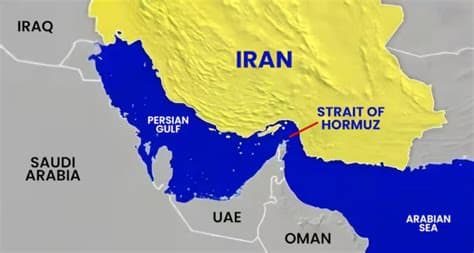
Iran has reportedly established a "Tehran Toll Booth" in the Strait of Hormuz, where vessels are required to pay fees for safe passage through Iranian territorial waters. This development comes amid heightened tensions in the region and has drawn the attention of multiple nations utilizing the route for their maritime trade.
As of March 23, 2026, at least two ships have already paid up to $2 million for the right to transit, according to maritime intelligence reports. The Islamic Revolutionary Guard Corps (IRGC) oversees the collection of these fees by verifying the details of vessels moving through a narrow 5-mile corridor between Iran’s Qeshm and Larak islands.
This move by Iran is aimed at capitalizing on the strategic significance of the Strait, which is a vital chokepoint for global oil supplies. Currently, the IRGC is reportedly developing a more permanent system of fees and transactions, drawing interest from countries such as India, Pakistan, Iraq, Malaysia, and China, all of which are in discussions to secure access to this corridor.
Vessels that wish to navigate the new route must submit detailed information including ownership, cargo manifests, crew nationalities, and intended destinations to the IRGC in advance. Reports indicate that some operators are willing to comply despite the risks, viewing it as a necessary business decision amid reduced options due to geopolitical tensions.
Critics have labeled this system a form of "shakedown," with significant implications for international maritime law and freedom of navigation. Analysts suggest that while some countries may negotiate safe passage, there is an inherent risk involved, as vessels perceived to have ties to the U.S. or Israel may face heightened scrutiny and potential targeting.
The implications of Iran's control over this strategic waterway could fundamentally alter global shipping practices and exacerbate tensions in a region already rife with conflict. As operations continue, the international community is closely monitoring Iran's moves and their potential impact on maritime security.
Published by Banx Network. This article is part of the Banx decentralized media programme, powered by the BXE token on the XRP Ledger.