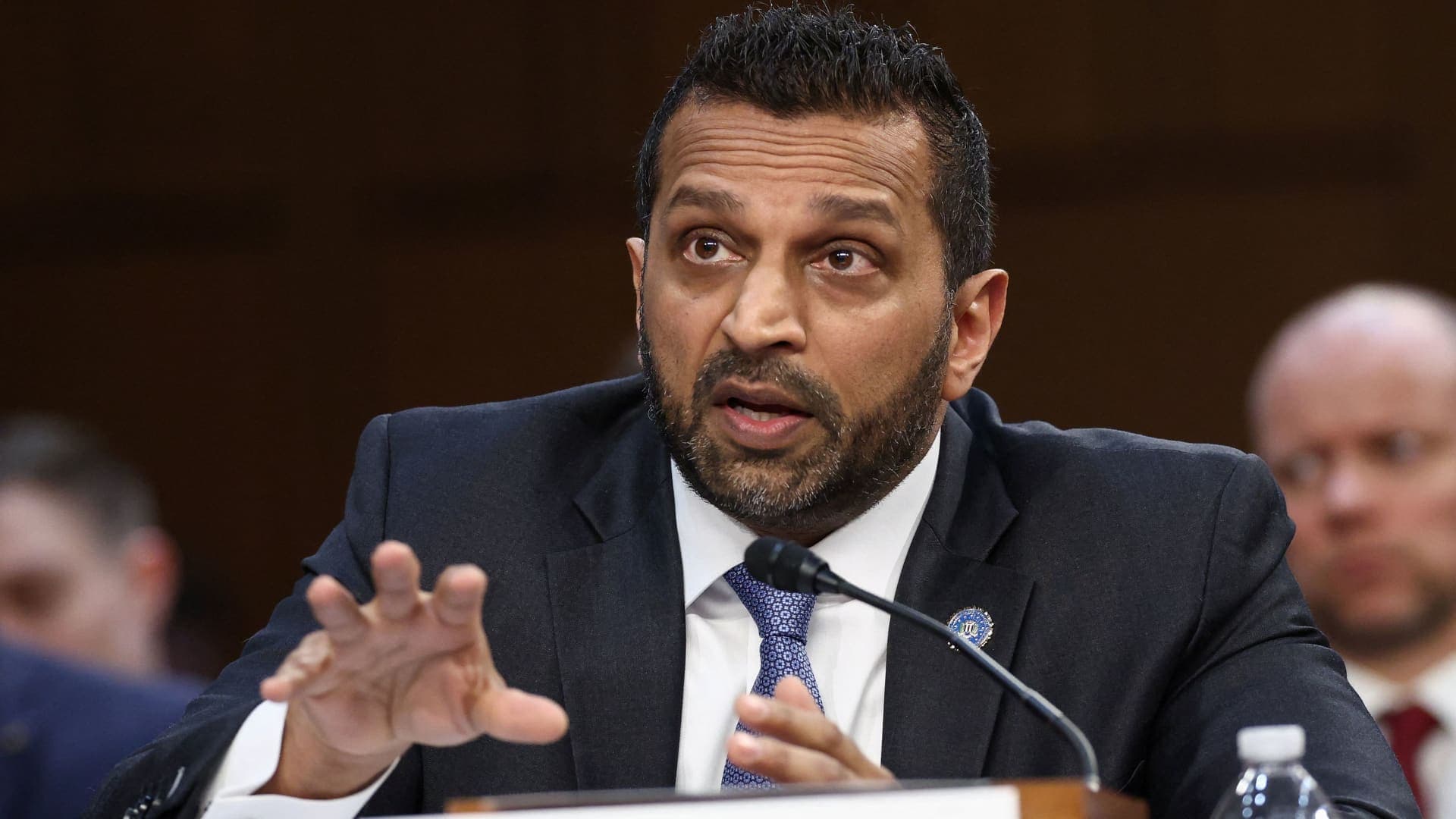
In a significant breach of privacy and security, hackers allegedly linked to Iran have successfully infiltrated the personal email of Kash Patel, a former U.S. administration official. The incident has resulted in sensitive excerpts being published online, raising alarms over cybersecurity vulnerabilities and foreign interference.
The leaked content reportedly includes private communications that could have implications for national security and reflects the broader risks posed by cyberattacks in today's digital landscape. Experts suggest that this breach may be part of a coordinated effort to target individuals associated with U.S. policy-making and intelligence.
Kash Patel, known for his roles in national security and intelligence, has not only become a target due to his political affiliations but also highlights the increasing trend of foreign actors exploiting personal data for political motives. Cybersecurity analysts are urging individuals in prominent positions to adopt stronger security measures to protect their communications from similar attacks.
The repercussions of this breach extend beyond Patel, raising concerns among officials about the security of sensitive information and the potential consequences for U.S. intelligence operations. The incident echoes previous cyberattacks that have successfully compromised the personal data of public figures, illuminating the need for robust protective measures against foreign cyber threats.
As discussions surrounding the implications of this breach continue, the situation underscores the urgency for stronger cybersecurity protocols and international collaboration to combat increasingly sophisticated cyber threats. The potential for foreign interference through hacking emphasizes the critical intersection of technology, politics, and national security in the modern era.
Published by Banx Network. This article is part of the Banx decentralized media programme, powered by the BXE token on the XRP Ledger.