Key Highlights
- Iran launched drones at a U.S. radar installation in Bahrain, marking its third attack in five days.
- Bahrain's air defenses intercepted the drones, with no reported damage or injuries to U.S. personnel.
- In response, a U.S. fighter jet targeted an Iranian missile launch site on Qeshm Island.
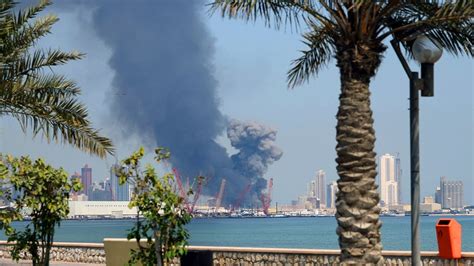
Iran has escalated its military actions against U.S. interests in the region, launching a drone strike on Tuesday aimed at a U.S. radar installation in Bahrain. This incident marks the third such attack on American military targets within a span of just five days. According to Bahrain's defense officials, the country's air defenses successfully intercepted the drones, and the U.S. military confirmed that there were no injuries or damage reported from the incident.
The drone strikes come after a period of relative calm in the region, which had lasted approximately two months. The recent uptick in hostilities has raised concerns among regional governments and international observers, particularly as peace negotiations involving Iran remain stalled. The Iranian government has not publicly commented on the latest drone attack, but it has previously justified its military actions as necessary for national security.
In a swift response to the drone attack, U.S. military forces launched a retaliatory strike against an Iranian missile launch site located on Qeshm Island in the strategically significant Strait of Hormuz. A U.S. official confirmed the strike, emphasizing that it was a defensive measure aimed at protecting American personnel and interests in the region. The U.S. has maintained a military presence in Bahrain as part of its broader strategy to counter Iranian influence in the Gulf.
The escalation of military actions has drawn condemnation from various regional governments, who have expressed concern over the potential for further conflict. Analysts suggest that the recent attacks could complicate ongoing diplomatic efforts aimed at de-escalating tensions between the U.S. and Iran. The situation remains fluid, with both sides on high alert as they navigate this precarious moment in their long-standing rivalry.
As the U.S. and Iran continue to engage in military posturing, the international community is closely monitoring developments. The Strait of Hormuz, through which a significant portion of the world's oil supply passes, remains a critical flashpoint in U.S.-Iran relations. The potential for miscalculation or further escalation in this volatile region is a pressing concern for global security.
Published by Banx Network. This article is part of the Banx decentralized media programme, powered by the BXE token on the XRP Ledger.