

Key Highlights
- Iran launched Arash-2 drones targeting Haifa's energy infrastructure.
- Israeli air-defense systems intercepted threats, but damage reports are pending.
- The attack signifies escalating tensions in the Middle East, focusing on energy assets.
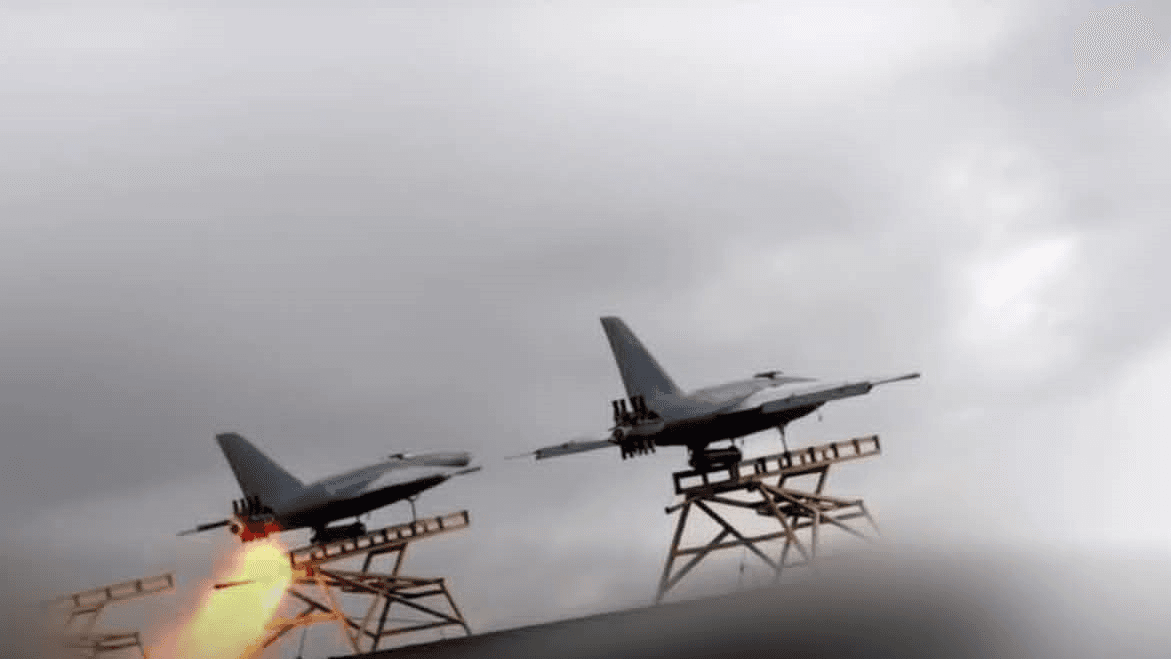
TEHRAN — Iran has reportedly launched a wave of long-range Arash-2 suicide drones toward energy infrastructure in northern Israel, including facilities in the strategic port city of Haifa. This action is described by Tehran as retaliation for recent strikes on Iranian oil and military sites.
According to Iranian state-linked reports, the drones were aimed at oil refineries and fuel storage facilities near Haifa, one of Israel’s most important energy and industrial hubs. Iranian military statements indicated that the strike targeted installations associated with the country’s energy supply chain. However, independent confirmation of the damage or success of the attack was not immediately available.
Israeli authorities reported that air-defense systems were activated after aerial threats were detected approaching the northern region. Residents in the area reported hearing interception blasts in the skies above as defense systems attempted to neutralize the incoming drones. As of now, officials have not released full details on whether any drones reached their targets or caused significant damage.
The drones reportedly used in the attack are believed to be Arash-2, a long-range loitering munition designed to strike targets up to 2,000 kilometers away while carrying a large explosive payload. This system was developed by Iran’s military specifically for long-distance strikes and has previously been described by Iranian commanders as capable of reaching cities such as Haifa and Tel Aviv.
The reported strike comes amid a widening regional confrontation involving Iran, Israel, and allied forces across the Middle East. Energy infrastructure has increasingly become a focal point of the conflict, with oil refineries, gas facilities, pipelines, and export terminals across the region facing attacks or shutdowns. Analysts warn that continued strikes on such infrastructure could disrupt global energy supplies and drive further volatility in oil markets.
Military analysts suggest that targeting Haifa would represent a significant escalation, as the city hosts major oil refineries, shipping terminals, and energy storage sites that play a key role in Israel’s fuel and petrochemical industry. Any successful strike on these facilities could disrupt regional energy flows and trigger broader economic impacts.
Israeli officials have vowed that any direct Iranian attacks on critical infrastructure will be met with a strong response. Meanwhile, regional governments and international observers are urging restraint as the confrontation continues to expand across multiple fronts, raising fears of a wider Middle East war.
Published by Banx Network. This article is part of the Banx decentralized media programme, powered by the BXE token on the XRP Ledger.




