
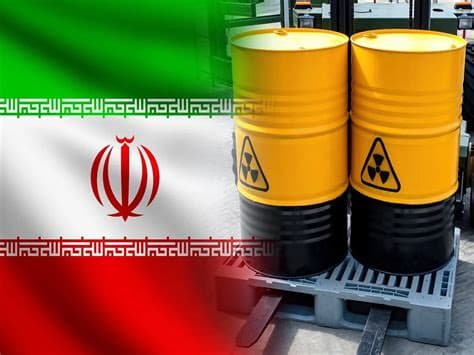
Key Highlights
- Iran retains a stockpile of 200 kilograms of uranium despite U.S. demands for zero stockpile.
- The decision raises concerns over nuclear proliferation and regional stability.
- Ongoing negotiations between Iran and world powers remain complex and unresolved.
Iran's decision to maintain a stockpile of 200 kilograms of uranium has prompted renewed concerns over nuclear proliferation, particularly in light of the United States’ articulated demand for a zero stockpile as part of ongoing non-proliferation negotiations. This move underscores the persistent tension between Iran and the U.S. regarding nuclear capabilities and compliance with international agreements.
Despite international pressure and sanctions aimed at curbing its nuclear ambitions, Iran continues to assert its right to preserve its uranium reserves. Iranian officials have indicated that the stockpile is essential for the nation’s energy needs and scientific development, framing their actions as a sovereign choice rather than a direct defiance of U.S. expectations. This stance reflects Iran's broader strategy of maintaining autonomy in its nuclear policy, even as it faces significant external pressures.
The retention of this uranium stockpile is particularly significant given the geopolitical context. The ongoing negotiations between Iran and world powers, particularly after the U.S. withdrawal from the Joint Comprehensive Plan of Action (JCPOA), have remained fraught with complexities. The lack of meaningful engagement or progress in dialogue has contributed to Iran’s decision to hold onto the material. The JCPOA was designed to limit Iran's nuclear capabilities in exchange for sanctions relief, but the collapse of this agreement has left a vacuum in diplomatic efforts.
Reactions from the international community have been swift, with many nations expressing concern over the potential implications for regional stability and nuclear non-proliferation efforts. Experts highlight that the continued accumulation of uranium could lead to heightened tensions, particularly with neighboring countries and allies of the U.S. The fear is that Iran's stockpile could enable it to develop nuclear weapons capabilities, which would significantly alter the balance of power in the Middle East.
As the situation unfolds, the focus will be on how both Iran and the U.S. navigate this impasse. The future of diplomatic relations surrounding Iran's nuclear program remains uncertain, and developments in the coming months will be crucial in determining the trajectory of regional security and compliance with international norms. The international community is watching closely, as any escalation could have far-reaching consequences beyond the immediate region.
Published by Banx Network. This article is part of the Banx decentralized media programme, powered by the BXE token on the XRP Ledger.



