
Key Highlights
- New Regulations:Iran has implemented new maritime rules for the Strait of Hormuz as of May 7, 2026.
- Vessel Information Declaration:Ships must submit detailed applications to Iran's Persian Gulf Strait Authority.
- Geopolitical Tensions:The move raises concerns among international shipping companies and governments.
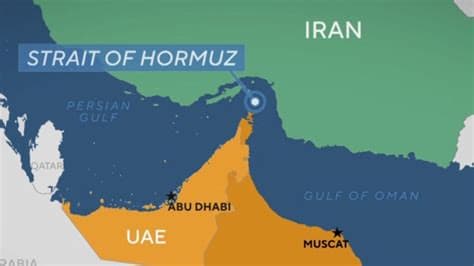
Iran has introduced a set of new rules for maritime navigation in the Strait of Hormuz, a critical passage for global oil transportation, effective May 7, 2026. The newly implemented protocol, known as the "Vessel Information Declaration," requires all vessels intending to navigate the Strait to complete an application form issued by Iran’s Persian Gulf Strait Authority (PGSA). This regulation aims to enhance Iran's oversight of maritime traffic in a region that is pivotal for the global economy.
The new rules come amid escalating tensions in the region, with Iran seeking to assert its sovereignty over a waterway that sees a significant portion of the world's oil traffic. Under these regulations, ships must provide detailed information about their cargo, ownership, and intended course to ensure safe passage. This requirement effectively grants Iran greater control over maritime activities, raising alarms among international shipping companies and governments.
Iran's decision to formalize these protocols contrasts sharply with the concerns voiced by the United States and its allies. They have expressed apprehension regarding Iran's potential aggressive maneuvers in the region, particularly as geopolitical rivalries intensify. Tehran's insistence on these new directives reflects its ongoing commitment to leveraging its geographic position strategically, especially during a time of heightened military and economic pressures.
The implications of these new regulations are significant. Non-compliance could lead to punitive actions from Iranian forces, including the risk of being attacked. This potential for conflict underscores the precarious nature of maritime navigation in the Strait of Hormuz, which is already a focal point of international maritime security discussions. The new rules signal Iran's determination to influence maritime traffic significantly, particularly amidst ongoing geopolitical rivalries.
As global powers react to these developments, the situation in the Strait of Hormuz is poised to remain a central issue in regional diplomacy and international relations. The international community will be closely monitoring how these new regulations affect shipping routes and the broader implications for global oil markets.
Published by Banx Network. This article is part of the Banx decentralized media programme, powered by the BXE token on the XRP Ledger.



