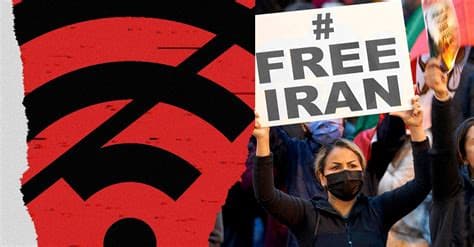
Reports indicate that Iran is undergoing a comprehensive internet blackout, severely limiting access for millions of citizens. This disruption has coincided with widespread protests across the country, prompting concerns about governmental attempts to stifle dissent and prevent the dissemination of information regarding the protests.
Monitoring groups have documented significant drops in internet connectivity, with regions experiencing varying levels of disruption. The blackout is believed to be a tactic employed by the Iranian government to control the narrative and clamp down on protests that have garnered international attention.
The protests were initially sparked by social and economic grievances, but have since evolved into broader demonstrations against the government. Activists allege that the internet outages are a deliberate strategy aimed at hindering communication among protesters, organizing efforts, and broadcasting real-time developments to the outside world.
International observers have condemned the Iranian government’s use of technology to limit freedoms and silence voices of dissent. Human rights organizations are calling for urgent action and accountability, urging the global community to pressure Iran to restore internet access and allow for free expression.
As the situation unfolds, the combination of protests and a national internet blackout underscores the ongoing struggle for freedom and rights within Iran, highlighting the critical role that communication plays in modern activism. The international response, particularly around human rights implications, will be closely monitored in the days to come.
Published by Banx Network. This article is part of the Banx decentralized media programme, powered by the BXE token on the XRP Ledger.