
Key Highlights
- Execution of a protest detainee linked to Basij base fire raises alarms.
- Human rights groups condemn the act as a severe crackdown on dissent.
- International community expected to respond critically to Iran's actions.
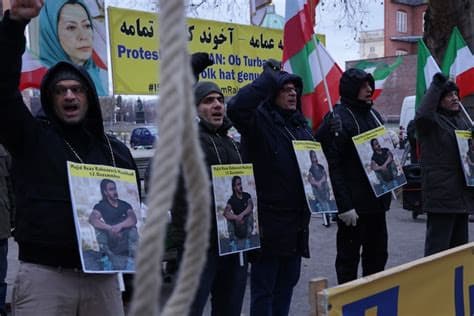
In a controversial and alarming development, Iran has executed a protest detainee associated with the recent fire at a Basij base. This execution has intensified scrutiny of the Iranian government's response to widespread protests and raised significant concerns regarding human rights violations within the country.
The detainee, whose identity has not been disclosed, was reportedly convicted on charges related to the fire, which was part of broader unrest that erupted following protests against the government. These protests, fueled by dissatisfaction with political repression and economic hardship, have seen significant participation from various sectors of society. The Basij, a paramilitary force loyal to the Iranian government, has been a focal point of protests, with demonstrators accusing it of brutal crackdowns on dissent.
Human rights organizations and activists have condemned the execution, arguing that it reflects the Iranian regime's willingness to employ extreme measures to suppress dissent. "This execution represents a dangerous escalation in the government's crackdown on protestors and undermines fundamental human rights," stated a representative from a prominent human rights group. This sentiment echoes a growing concern among international observers about the Iranian government's tactics in dealing with civil unrest.
The incident highlights the fragile state of civil liberties in Iran, especially as the government continues to employ swift and often brutal measures to quell unrest. Critics point to a pattern of harsh punishments meted out to those involved in protests, leading to fears of further escalations in violence and repression. The execution of this detainee is seen as part of a broader strategy to instill fear among potential protestors, discouraging them from voicing their dissent against the regime.
International responses to the execution are expected to be critical, with various governments likely to issue statements condemning human rights abuses in Iran. As tensions continue to rise, the international community remains watchful, calling for accountability and the end of punitive actions against peaceful demonstrators. The execution has already drawn condemnation from several human rights organizations, which are urging global leaders to take a stand against Iran's actions.
This execution is not just a singular event; it underscores a broader narrative of oppression in Iran and raises questions about the government’s approach to handling dissent in a society increasingly marked by calls for change. As protests continue, the Iranian government faces a critical juncture: whether to continue its repressive tactics or to engage with the grievances of its citizens.
Published by Banx Network. This article is part of the Banx decentralized media programme, powered by the BXE token on the XRP Ledger.



