
Key Highlights
- Iran's Foreign Minister Abbas Araqchi states missile program is non-negotiable.
- Indirect talks with the U.S. resume amid nuclear agreement discussions.
- Iran distinguishes between nuclear issues and its missile capabilities.
Iran's diplomatic stance was reaffirmed this week as Foreign Minister Abbas Araqchi declared that the country's missile program will not be included in any negotiations. This statement comes at a critical juncture, as indirect diplomatic contacts between Iran and the United States have resumed, aiming to ease tensions and explore a framework for nuclear-related agreements.
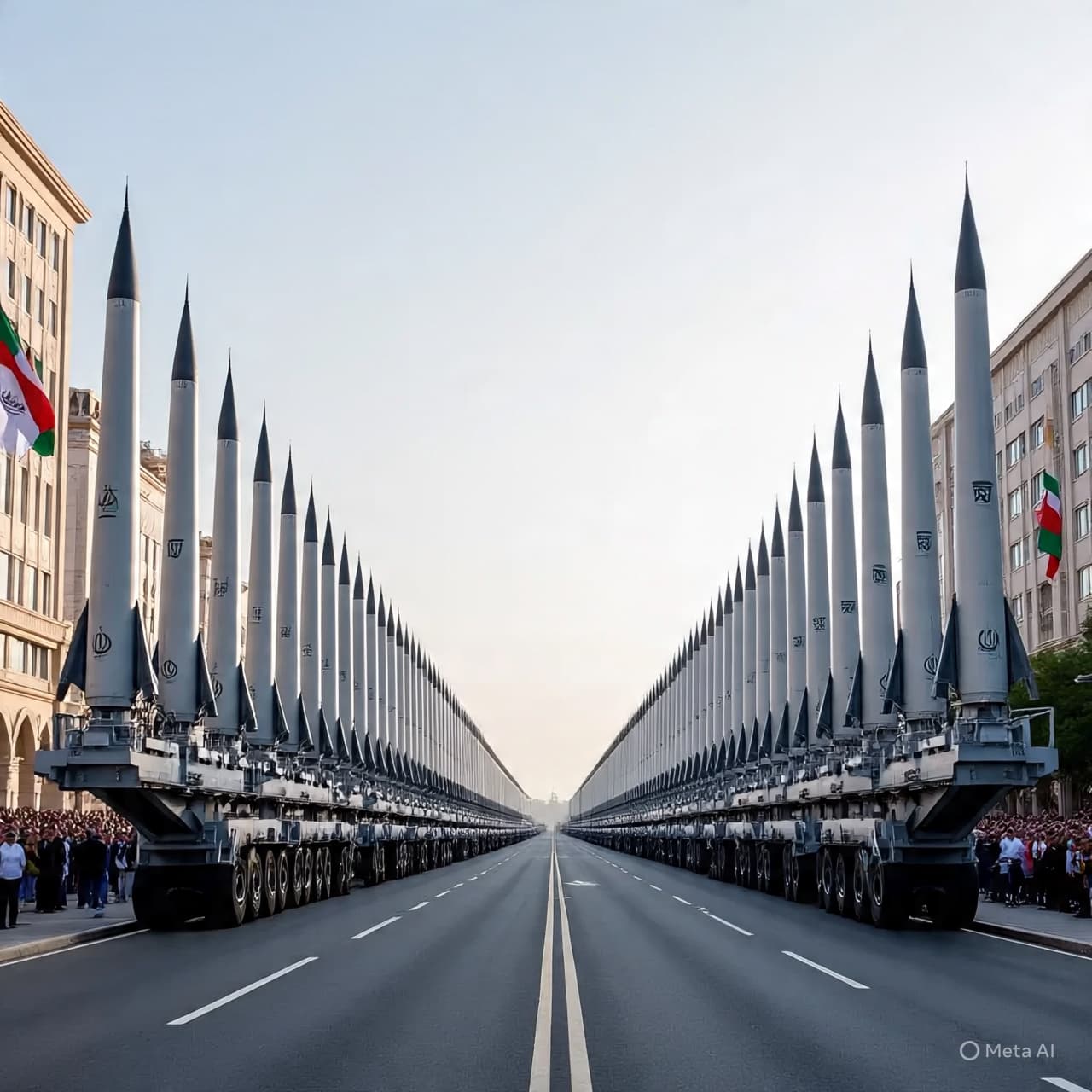
Araqchi emphasized that Iran's ballistic missile capabilities have never been part of the negotiation agenda and will remain off-limits in future discussions. This firm position reflects Iran's long-standing view that its missile program is a core element of national security, thus making it a non-negotiable matter. While Iranian officials have expressed openness to dialogue regarding the nuclear program, particularly in the context of sanctions relief, they maintain a clear distinction between nuclear issues and what they describe as defensive capabilities.
The divide between Iran and Western governments remains significant. The U.S. and its regional allies have consistently argued that any future agreement should encompass not only nuclear activities but also Iran's ballistic missile development and broader regional security concerns. Conversely, Tehran insists that negotiations must focus solely on nuclear commitments, thereby complicating the diplomatic landscape.
Recent indirect talks, including discussions held in Oman, indicate cautious movement toward renewed engagement. Both sides have shown interest in preventing further escalation, despite the considerable gaps that persist regarding the scope and structure of any potential agreement. The diplomatic landscape is characterized by a duality of messages: openness to discussions on nuclear matters while firmly rejecting any negotiations concerning missile capabilities.
The regional dynamics further complicate the situation. Iran views its missile arsenal as a crucial deterrent in a volatile security environment, particularly given ongoing tensions with Israel and the sustained U.S. military presence in the region. Israeli officials have urged Washington to ensure that any future agreement includes restrictions on Tehran's missile capabilities, underscoring the strategic importance of this issue beyond the nuclear file.
Tehran's unwavering stance presents a significant challenge for negotiators. While there may be potential for compromise on aspects of nuclear transparency or enrichment levels, the broader security concerns that preoccupy Western governments appear unlikely to be addressed in the near future. As discussions progress, the outcome will hinge not only on technical details but also on whether both sides can navigate the limits they have established.
In summary, the current diplomatic environment is marked by a complex interplay of willingness to engage on nuclear issues while maintaining firm boundaries regarding missile capabilities. The future of these negotiations remains uncertain as both sides grapple with their respective positions.
Published by Banx Network. This article is part of the Banx decentralized media programme, powered by the BXE token on the XRP Ledger.



