Key Highlights
- Arrests:Several individuals detained on Tehran's Iranshahr Street.
- Enforcement:Actions taken under orders from judiciary chief Gholamhossein Mohseni Ejei.
- Context:Ongoing security operations and business closures reported in the area.
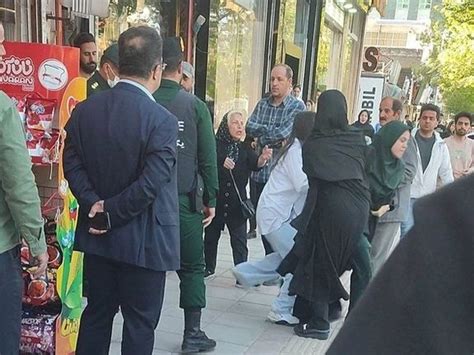
Authorities in Iran have recently detained several individuals on Tehran’s Iranshahr Street, citing their alleged efforts to encourage women to appear without the mandatory hijab. This crackdown is part of a broader initiative led by the Iranian judiciary to enforce hijab laws more strictly, following a series of protests and public defiance against these regulations.
The arrests were ordered by Gholamhossein Mohseni Ejei, the chief of Iran's judiciary, who emphasized the need to confront what officials have labeled as organized promotion of hijab violations and public immorality. The judiciary has not disclosed the exact number of detainees nor their identities, which has raised concerns among human rights advocates regarding transparency and due process in such cases.
Reports indicate that Iranshahr Street has become a focal point for security operations, with increased police presence and surveillance aimed at enforcing hijab laws. This area has also seen business closures and restrictions on gatherings, particularly those associated with Halloween celebrations, which have been deemed inappropriate by authorities. The crackdown on such events reflects a broader cultural tension in Iran, where traditional values often clash with modern expressions of identity and freedom.
The enforcement of hijab laws has been a contentious issue in Iran, especially following the protests that erupted after the death of Mahsa Amini in September 2022. Amini's death while in police custody for allegedly violating hijab regulations sparked widespread demonstrations across the country, leading to calls for greater freedoms and rights for women. In the wake of these protests, many women have chosen to defy the hijab mandate, leading to increased scrutiny and enforcement by authorities.
As the Iranian government continues to navigate these complex social dynamics, the recent arrests on Iranshahr Street serve as a reminder of the ongoing struggle between state-imposed regulations and individual freedoms. The judiciary's actions reflect a commitment to uphold traditional values, but they also highlight the potential for further unrest as public sentiment evolves.
The international community is closely monitoring the situation in Iran, with human rights organizations calling for the protection of women's rights and the cessation of arbitrary arrests. As tensions remain high, the future of hijab enforcement and women's rights in Iran continues to be a critical issue that will shape the country's social landscape.
Published by Banx Network. This article is part of the Banx decentralized media programme, powered by the BXE token on the XRP Ledger.