
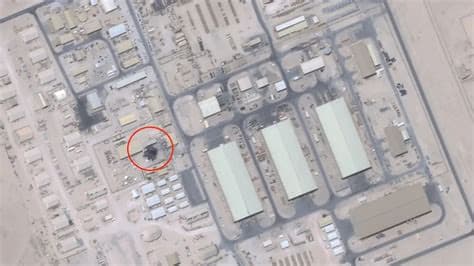
Key Highlights
- Iran's military actions have caused more extensive damage to U.S. bases than previously disclosed.
- Recent intelligence assessments reveal refined targeting methods by Iranian forces.
- The psychological impact on U.S. personnel is affecting morale and operational readiness.
The ongoing conflict between the United States and Iran has escalated significantly, particularly following the U.S. withdrawal from the Iran nuclear deal in 2018. This withdrawal marked a turning point in relations, leading to increased tensions and retaliatory actions from Iran, including missile strikes on U.S. military bases in Iraq after the assassination of General Qassem Soleimani. Recent intelligence assessments have revealed that the damage inflicted on U.S. military installations is far more extensive than what has been publicly acknowledged.
Recent classified reports and satellite imagery indicate that Iranian forces have not only targeted physical structures but have also compromised critical systems essential for military operations. These findings suggest that Iranian forces have refined their targeting methods, focusing on communication systems and supply lines that are vital for U.S. military effectiveness. The implications of these actions extend beyond immediate physical damage, as they pose a significant threat to the operational capabilities of U.S. forces stationed in the region.
Moreover, evidence of drone reconnaissance missions conducted by Iranian forces suggests that future attacks could be imminent. This ongoing threat complicates the security landscape for U.S. military personnel abroad, necessitating a reassessment of current strategies and protective measures at military bases. The potential for further attacks raises alarms about the safety and readiness of U.S. troops, who must navigate an increasingly hostile environment.
In addition to the physical and operational impacts, the psychological effects of these attacks on U.S. military personnel cannot be overlooked. The heightened threat perception has led to increased anxiety among troops, affecting morale and operational readiness. Understanding the full extent of the damage inflicted by Iran is crucial for U.S. military leadership as they seek to address these vulnerabilities and adapt their strategies accordingly.
The strategic implications of these findings are profound. U.S. military strategy may need to evolve in response to the sophisticated tactics employed by Iranian forces. This could involve enhancing protective measures at bases, reconsidering troop deployments, and potentially increasing diplomatic efforts to de-escalate tensions in the region. As the situation continues to develop, it is imperative for U.S. military leadership to remain vigilant and proactive in addressing these emerging threats.
In conclusion, the revelations regarding Iran's military actions underscore the need for a comprehensive understanding of the challenges facing U.S. forces. By acknowledging the true extent of the damage inflicted, military leaders can better inform their strategies and engage in necessary diplomatic efforts to mitigate further conflict.
Published by Banx Network. This article is part of the Banx decentralized media programme, powered by the BXE token on the XRP Ledger.



