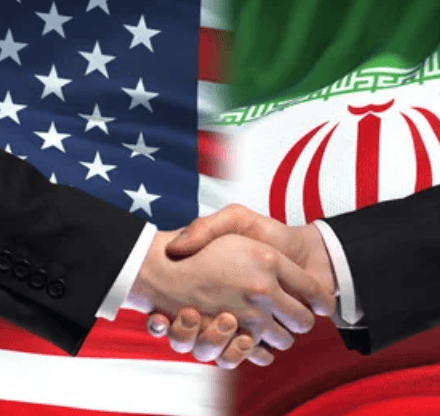
Iran’s Foreign Ministry has accused the United States of bearing direct responsibility for alleged Israeli violations of an existing ceasefire arrangement, adding fresh tension to an already fragile geopolitical environment in the Middle East. The statement comes amid ongoing diplomatic efforts aimed at reducing hostilities and preventing further escalation across the region. The accusation reflects the complex relationships among regional powers and international stakeholders involved in efforts to maintain stability. Iran has frequently criticized U.S. policies in the Middle East, arguing that Washington’s support for Israel influences the balance of power and affects regional security dynamics. The latest comments emerged as officials continue assessing the effectiveness of ceasefire mechanisms designed to reduce violence and create conditions for broader diplomatic engagement. Ceasefires often represent only the first stage of conflict management, requiring sustained cooperation, monitoring, and political commitment from all parties involved. Regional observers note that accusations of violations can significantly complicate peace efforts. Even isolated incidents have the potential to undermine trust between parties and generate renewed political tensions. As a result, international mediators typically emphasize verification procedures and independent assessments before drawing conclusions regarding responsibility. Global markets have also remained sensitive to developments in the Middle East. Investors closely monitor geopolitical risks due to their potential impact on energy supplies, shipping routes, and international trade. Statements involving major regional powers can influence commodity prices and broader market sentiment, particularly when tensions affect strategically important areas. The United States has consistently maintained that its objective is regional stability and the protection of allies while supporting diplomatic solutions where possible. Meanwhile, Iranian officials continue calling for stronger international responses to what they describe as violations of agreements and commitments. Analysts suggest that the rhetoric underscores the challenges facing negotiators seeking long-term peace and security arrangements. Diplomatic progress often depends not only on formal agreements but also on the willingness of parties to maintain communication and avoid actions perceived as provocative. The coming days are likely to bring further statements from governments, international organizations, and regional actors as they assess the latest developments. Observers will be watching closely for signs of either renewed tensions or constructive dialogue. For now, the dispute highlights the delicate nature of ceasefire arrangements and the broader geopolitical complexities shaping the Middle East’s evolving security landscape.
Published by Banx Network. This article is part of the Banx decentralized media programme, powered by the BXE token on the XRP Ledger.