
Key Highlights
- Iran has released a new maritime map asserting jurisdiction over waters near the UAE and Oman.
- The claims overlap with traditionally recognized territorial waters, raising diplomatic tensions.
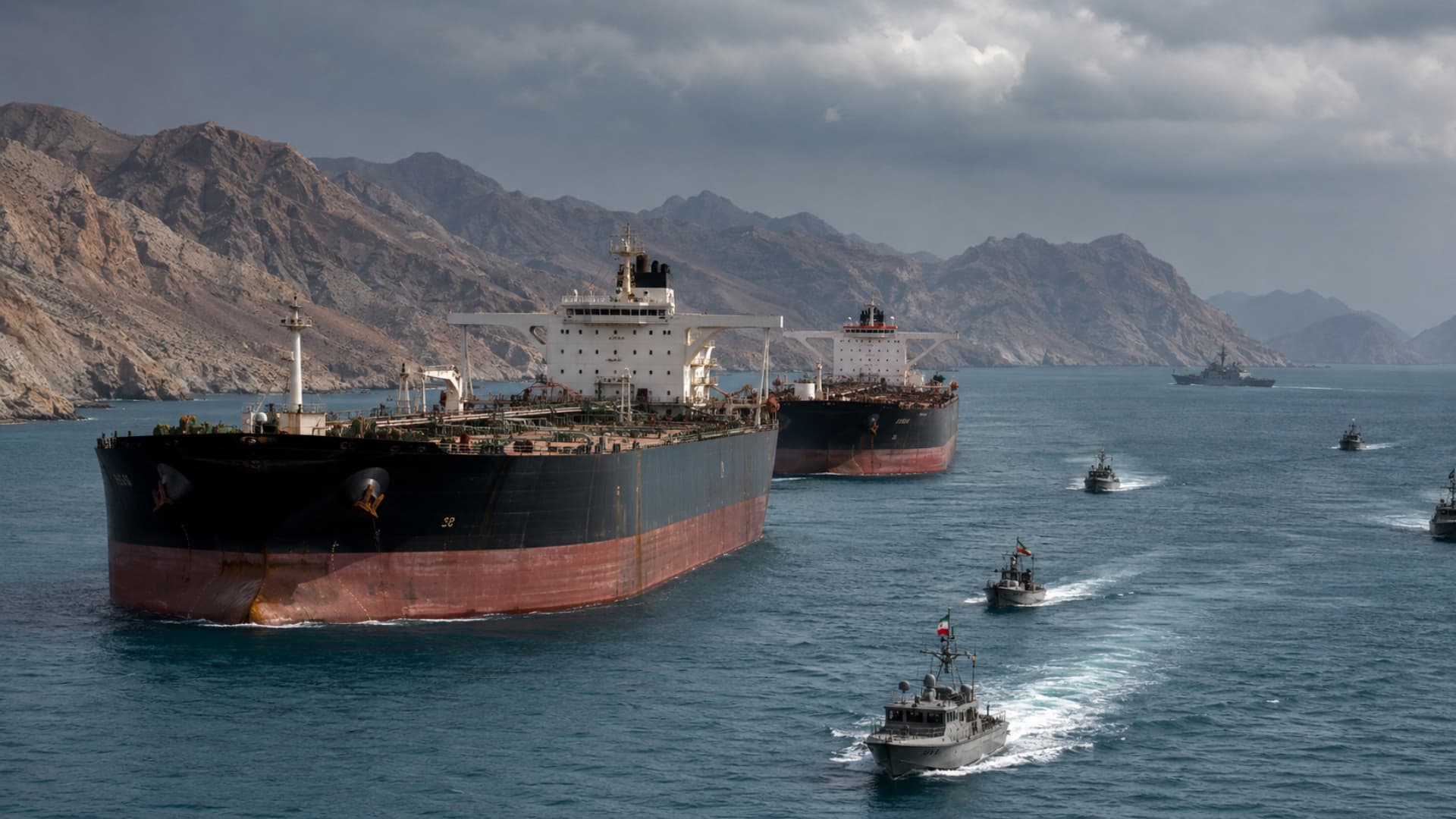
- The Strait of Hormuz is a critical chokepoint for global oil shipments, heightening the stakes of this dispute.
Iran has recently unveiled a new maritime map that claims jurisdiction over waters adjacent to the United Arab Emirates (UAE) and Oman, particularly in the strategically significant Strait of Hormuz. This assertion has escalated tensions in a region that is vital for global oil shipments and maritime navigation, as the Strait of Hormuz is a key passage for a substantial portion of the world's oil supply.
The newly released map outlines territorial claims that overlap with areas traditionally recognized as part of UAE and Omani waters. This provocative move is likely to provoke diplomatic challenges and territorial disputes, as it directly contradicts established maritime boundaries. Iranian officials have defended their claims by citing historical rights and asserting that this delineation is essential for national security. However, neighboring nations, especially the UAE and Oman, have expressed serious concerns, viewing these claims as violations of international maritime norms.
The geopolitical implications of Iran's new map are significant. Analysts warn that this development could further escalate existing disputes in the Persian Gulf, which is already marked by heightened tensions between Iran and various Gulf Cooperation Council (GCC) states. The assertion of territorial control may complicate ongoing diplomatic dialogues and security arrangements in the region, potentially leading to increased military presence from Western nations, particularly the United States, which has historically supported freedom of navigation in the Strait of Hormuz.
International reactions have been swift, with calls for adherence to established maritime laws and respect for territorial integrity. The United States and its allies have emphasized the importance of maintaining safe passage for commercial vessels in the Strait, and this new claim by Iran may prompt a reassessment of military strategies in the area.
As the situation continues to evolve, the potential for conflict or diplomatic resolutions remains uncertain. The long-standing tensions in the Gulf, combined with this new territorial assertion, underscore the fragility of relations in a region where national interests frequently collide. Iran's proclamation serves as a stark reminder of the complex interplay of sovereignty, security, and international diplomacy in one of the world's most strategically significant waterways.
Published by Banx Network. This article is part of the Banx decentralized media programme, powered by the BXE token on the XRP Ledger.



