
Key Highlights
- New Leadership:Mojtaba Khamenei appointed as Iran's supreme leader.
- Economic Impact:Oil prices surge toward $120 per barrel amid tensions.
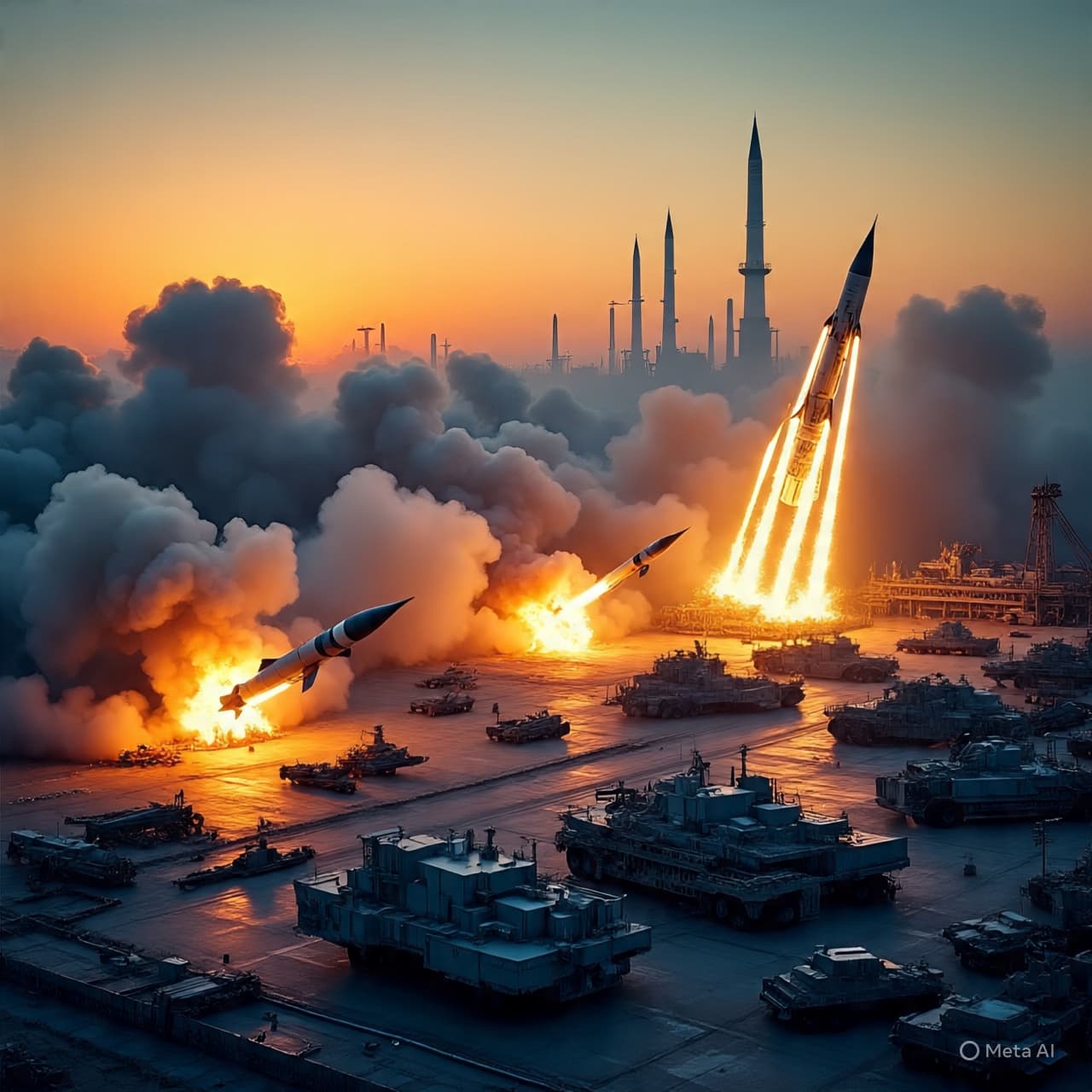
- Regional Tensions:Ongoing missile and drone strikes threaten stability.
Iran has appointed Mojtaba Khamenei, the son of the late Ali Khamenei, as the country’s new supreme leader, a decision that has significant implications for both domestic and international politics. The appointment, made by Iran’s Assembly of Experts, indicates a continuation of the hardline policies that have characterized Iran's governance, particularly in its confrontations with the United States and Israel. Mojtaba Khamenei, a 56-year-old cleric with strong ties to the Revolutionary Guard, assumes leadership during a period marked by escalating regional crises.
The late Ali Khamenei ruled Iran for decades before his death during the early stages of the ongoing conflict involving the U.S. and Israel. His passing has led to a series of Iranian missile and drone attacks across the region, while U.S. and Israeli forces have retaliated by targeting Iranian military and nuclear sites. Analysts suggest that Mojtaba Khamenei’s rise reflects a strategy of continuity rather than compromise, indicating that Tehran is preparing for a prolonged conflict rather than seeking a diplomatic resolution.
The leadership change has immediate economic ramifications, particularly in global energy markets. Following the announcement, oil prices surged toward $120 per barrel, driven by fears of potential disruptions to oil supply from the Middle East. The Strait of Hormuz, a critical passage for global oil shipments, handles approximately one-fifth of the world's oil supply. Any threat to this vital shipping route can lead to significant increases in global energy prices. Reports indicate that tanker traffic has already faced disruptions as the conflict intensifies, raising concerns about the stability of oil markets.
In addition to economic concerns, the ongoing missile and drone strikes across the region have heightened fears of a broader conflict. These attacks have targeted key energy infrastructure in multiple countries, further complicating the geopolitical landscape. The potential for escalation into a wider regional war looms large, as both Iranian forces and their adversaries remain on high alert.
The selection of Mojtaba Khamenei also raises questions about the nature of leadership transitions within Iran’s political system. Critics argue that this appointment resembles hereditary succession, a concept that the Islamic Republic initially rejected following the 1979 revolution that overthrew the monarchy. This controversial aspect of the leadership change may provoke further debate within Iran regarding the legitimacy of its political structures.
As Mojtaba Khamenei takes on the role of supreme leader, he faces the immediate challenge of navigating Iran through an expanding conflict while addressing economic pressures at home and increasing international isolation. The coming months will be crucial in determining how his leadership will shape Iran's future and its relations with the rest of the world.
Published by Banx Network. This article is part of the Banx decentralized media programme, powered by the BXE token on the XRP Ledger.



