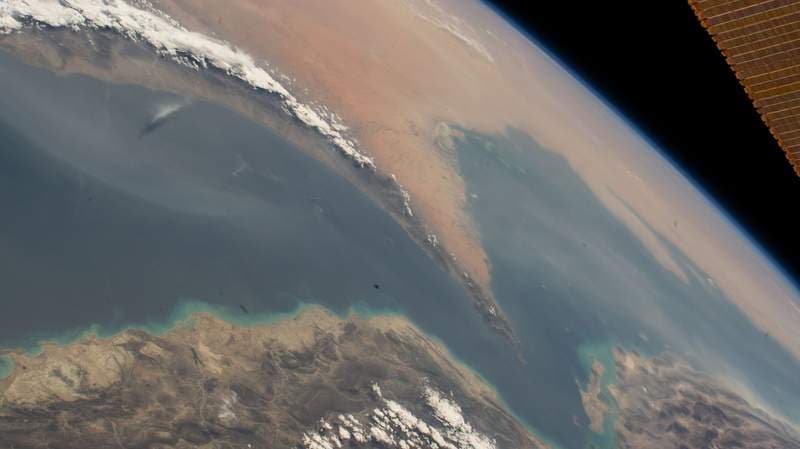
In a significant gesture of cooperation, Iran has announced that it will allow 20 more Pakistani ships to transit through the Strait of Hormuz. This vital waterway, known for its critical role in global oil shipments and maritime trade, has become a focal point of strategic interactions between Iran and its neighbors.
The decision to permit additional maritime traffic underscores the deepening economic ties between Iran and Pakistan, particularly in the face of fluctuating regional dynamics. This development is expected to bolster bilateral trade, facilitating the movement of goods and resources essential to both economies.
Iranian officials have stated that the move aims to enhance trade connectivity, with an emphasis on cooperation in the wake of ongoing geopolitical challenges. The Strait of Hormuz is a key shipping route for approximately a fifth of the world's oil supply, making its security and operational flow crucial not just for regional nations but for global markets.
This collaboration between Tehran and Islamabad reflects broader aspirations for economic partnership and stability in the region. As these ships embark on their journey, the mutual benefits anticipated from this agreement could pave the way for further maritime agreements and enhanced economic initiatives between the two countries.
Analysts are closely monitoring this situation, recognizing that increased trade through the Strait may also influence regional alliances and contribute to an evolving geopolitical landscape in the Middle East, particularly as countries navigate their relationships amid ongoing tensions.
Published by Banx Network. This article is part of the Banx decentralized media programme, powered by the BXE token on the XRP Ledger.