For people living with diabetes, insulin is not simply another pharmaceutical product. It can be an essential part of daily treatment, helping the body regulate blood glucose and reducing the risk of serious complications. Reliable access to the medicine therefore remains an important healthcare priority for countries seeking to strengthen their pharmaceutical industries.
Iran is working to expand its domestic biotechnology capabilities, including the production of medicines that have traditionally depended on specialized manufacturing processes. On September 28, 2026, Press TV reported that Iranian knowledge-based companies had developed technology for producing recombinant insulin analogues. The development was presented as part of a broader effort to increase local pharmaceutical production.
Recombinant insulin technology uses biological systems to produce insulin-related medicines. Manufacturing these products requires specialized facilities, carefully controlled processes, and rigorous quality testing. Developing the technology is an important step, but it does not automatically mean a medicine is ready for widespread use. Production consistency, safety, regulatory review, and clinical requirements remain central to the process.
According to the report, the first domestically produced insulin product was expected to reach the market in January 2027, provided that the necessary quality and regulatory procedures were completed. That date should be understood as a reported target rather than confirmation that the product has already been approved or made commercially available.
The report also described progress involving more than one company. One company reportedly received a production license for insulin glargine in January 2026, while another was expected to seek approval in March 2027. These milestones represent different stages of development and authorization; a license, an application, and commercial availability are not interchangeable.
A larger domestic supply could potentially reduce dependence on imported insulin and give local manufacturers greater experience in producing complex biological medicines. The extent of any benefit would depend on the volume produced, the range of formulations available, manufacturing costs, and whether the products can be supplied consistently to pharmacies and healthcare facilities.
Press TV's report also cited annual insulin import spending of more than $100 million. Such estimates help explain why domestic manufacturing may attract attention, although actual savings would depend on how much imported medicine local products can replace and what it costs to manufacture, test, distribute, and monitor the medicines.
Insulin production also presents demanding technical challenges. Biological medicines require strict control of raw materials, manufacturing conditions, product purity, and storage. Even after a company develops a production process, regulators must be satisfied that the resulting medicine consistently meets the required standards. Healthcare professionals and patients also need clear information about approved products and their appropriate use.
The potential implications extend beyond insulin. Experience gained through biotechnology manufacturing can support skills in laboratory research, quality assurance, biological production, and pharmaceutical regulation. Those capabilities may be useful for other complex medicines, although success in one product category does not guarantee that other products will be developed or approved quickly.
For patients, the most important measure of progress will be practical access to safe, effective, and affordable treatment. Domestic production could contribute to that goal if manufacturers achieve reliable quality and sufficient output. Until approval and distribution are confirmed, however, patients should continue following the treatment plans provided by their healthcare professionals rather than assuming a new product is already available.
Iran's reported insulin development therefore represents a potential milestone, not the end of the process. The next steps are to complete the required testing, secure regulatory authorization, establish dependable production, and demonstrate that the medicine can reach patients consistently. Those outcomes—not the announcement alone—will determine how much the technology changes diabetes care.
### Image Disclaimer
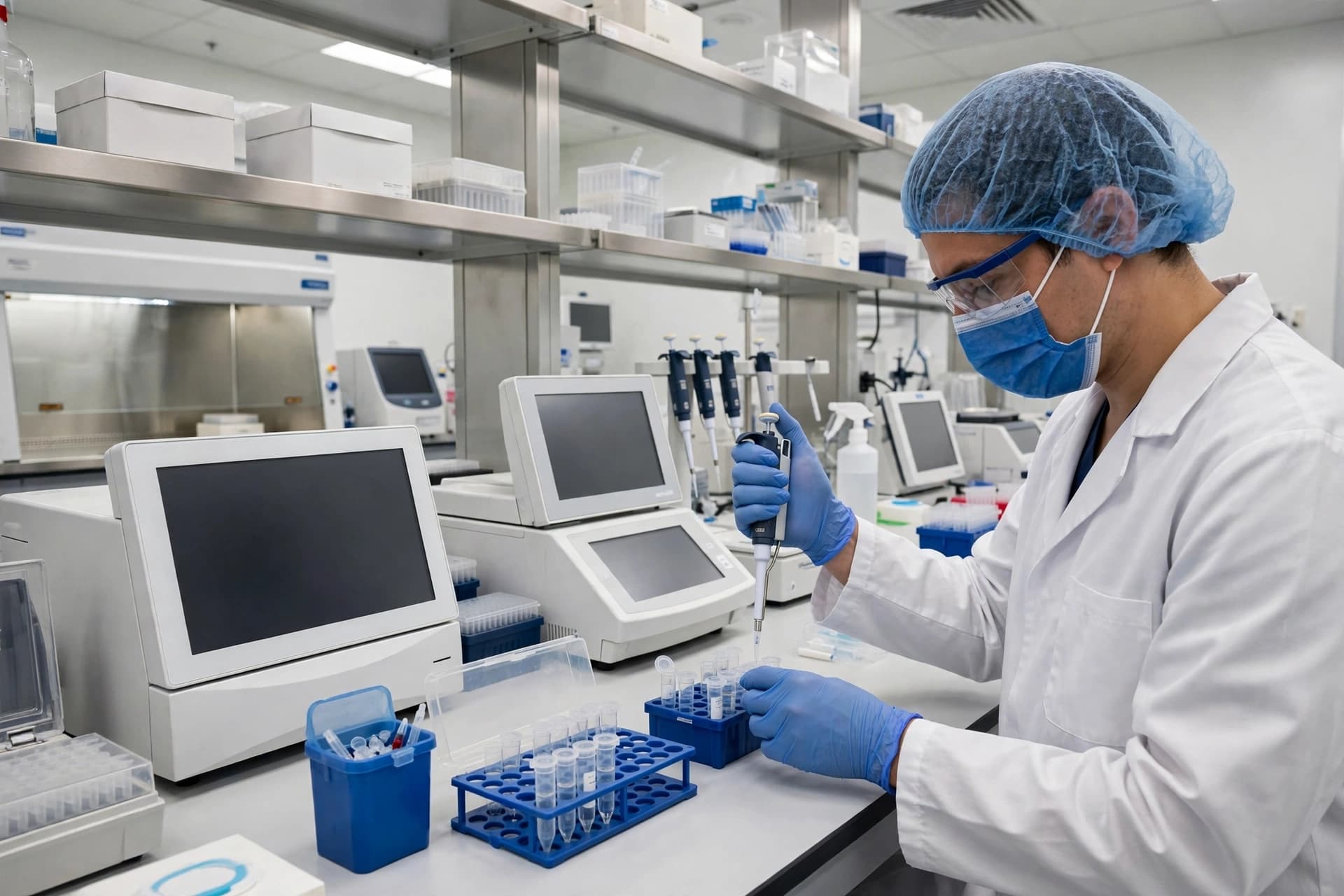
The accompanying image is an illustrative representation of insulin and pharmaceutical biotechnology research. It does not show a verified Iranian product, a confirmed production facility, or an actual regulatory approval.
### Sources
Press TV; Vice Presidency for Science, Technology and Knowledge-Based Economy, Iran.
Published by Banx Network. This article is part of the Banx decentralized media programme, powered by the BXE token on the XRP Ledger.