
Key Highlights
- Iran exploited telecom vulnerabilities to track US military personnel.
- The SS7 signaling system was specifically targeted in Iraq and Bahrain.
- The report links tracking activities to attacks causing injuries.
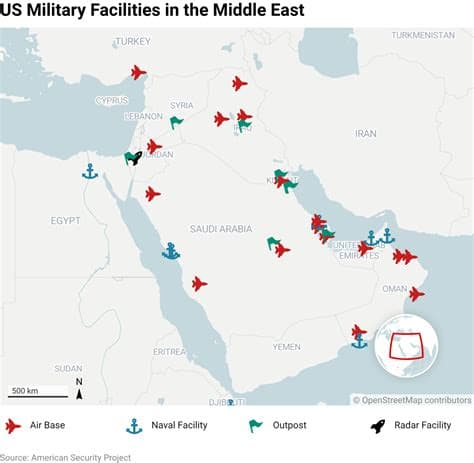
A recent report has revealed that Iran has been exploiting vulnerabilities in mobile telecommunications networks, particularly the SS7 signaling system, to track US military personnel across various locations in the Middle East, including Iraq and Bahrain. This sophisticated cyber activity has reportedly allowed Iranian operatives to identify the movements and locations of US military personnel, including bases and hotels, raising significant security concerns.
The SS7 system, which is used in 2G and 3G networks, has long been known for its vulnerabilities. These weaknesses can be exploited to intercept communications and track mobile devices. The report indicates that Iran's actions have not only compromised the safety of US military personnel but have also been linked to specific attacks that resulted in injuries. This alarming trend highlights the risks associated with outdated telecommunications infrastructure and the need for enhanced security measures.
In addition to exploiting SS7 vulnerabilities, the report also mentions that Iran utilized advertising technology to track mobile phones in Iraqi Kurdistan. This method of tracking further illustrates the lengths to which Iranian cyber operatives are willing to go to gather intelligence on US forces. By leveraging both telecom vulnerabilities and digital advertising technologies, Iran has created a multifaceted approach to surveillance that poses a serious threat to military operations in the region.
The implications of these findings are profound, as they underscore the necessity for the US military to reassess its cybersecurity protocols and mobile device usage in hostile environments. With the increasing reliance on mobile technology for communication and coordination, the vulnerabilities inherent in these systems can be exploited by adversaries, leading to potentially catastrophic consequences.
As tensions continue to rise in the Middle East, the report serves as a stark reminder of the evolving nature of cyber warfare and the importance of safeguarding sensitive information. The US military must prioritize the development of robust cybersecurity strategies to mitigate the risks posed by such vulnerabilities and ensure the safety of its personnel deployed in volatile regions.
In conclusion, the exploitation of mobile network vulnerabilities by Iran represents a significant threat to US military operations. As cyber threats become more sophisticated, it is crucial for military leaders to remain vigilant and proactive in addressing these challenges to protect their forces and maintain operational integrity in the field.
Published by Banx Network. This article is part of the Banx decentralized media programme, powered by the BXE token on the XRP Ledger.



