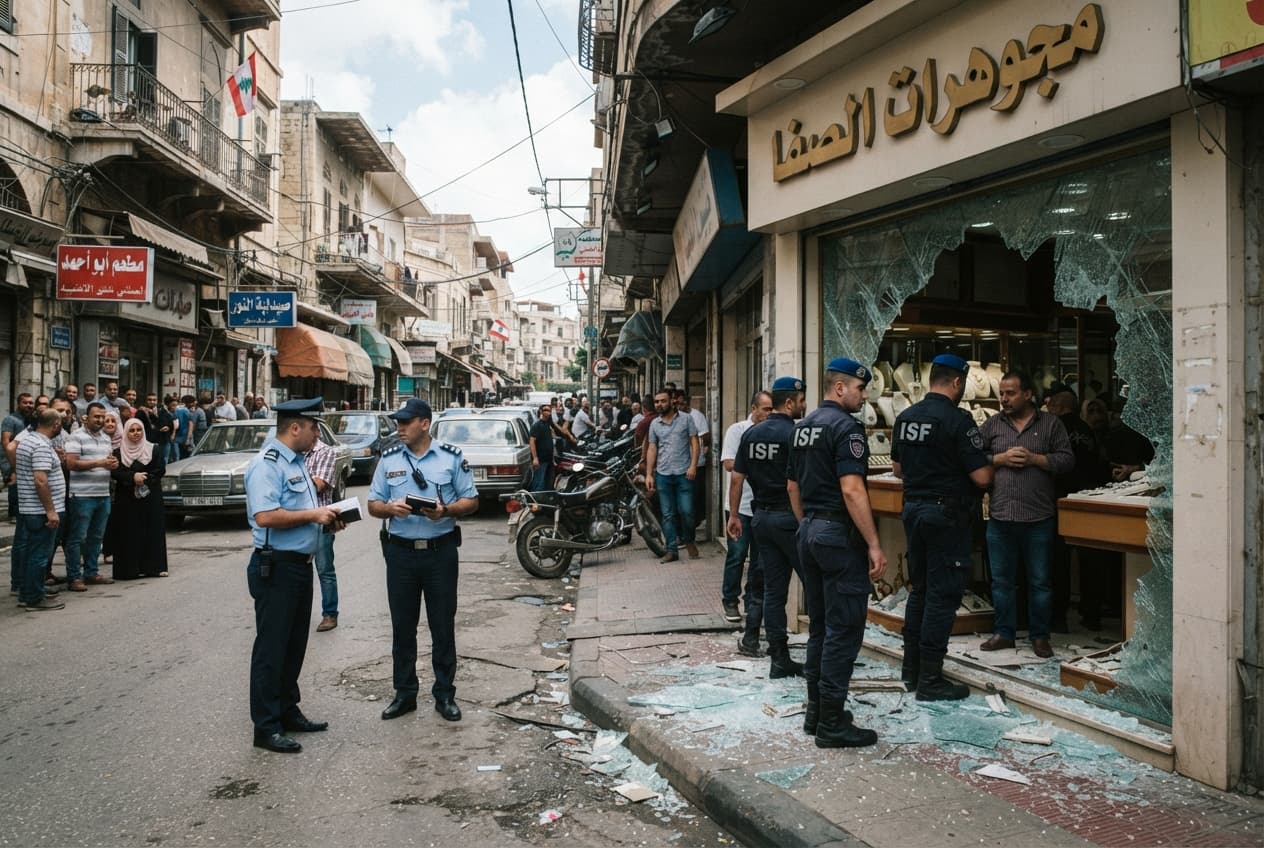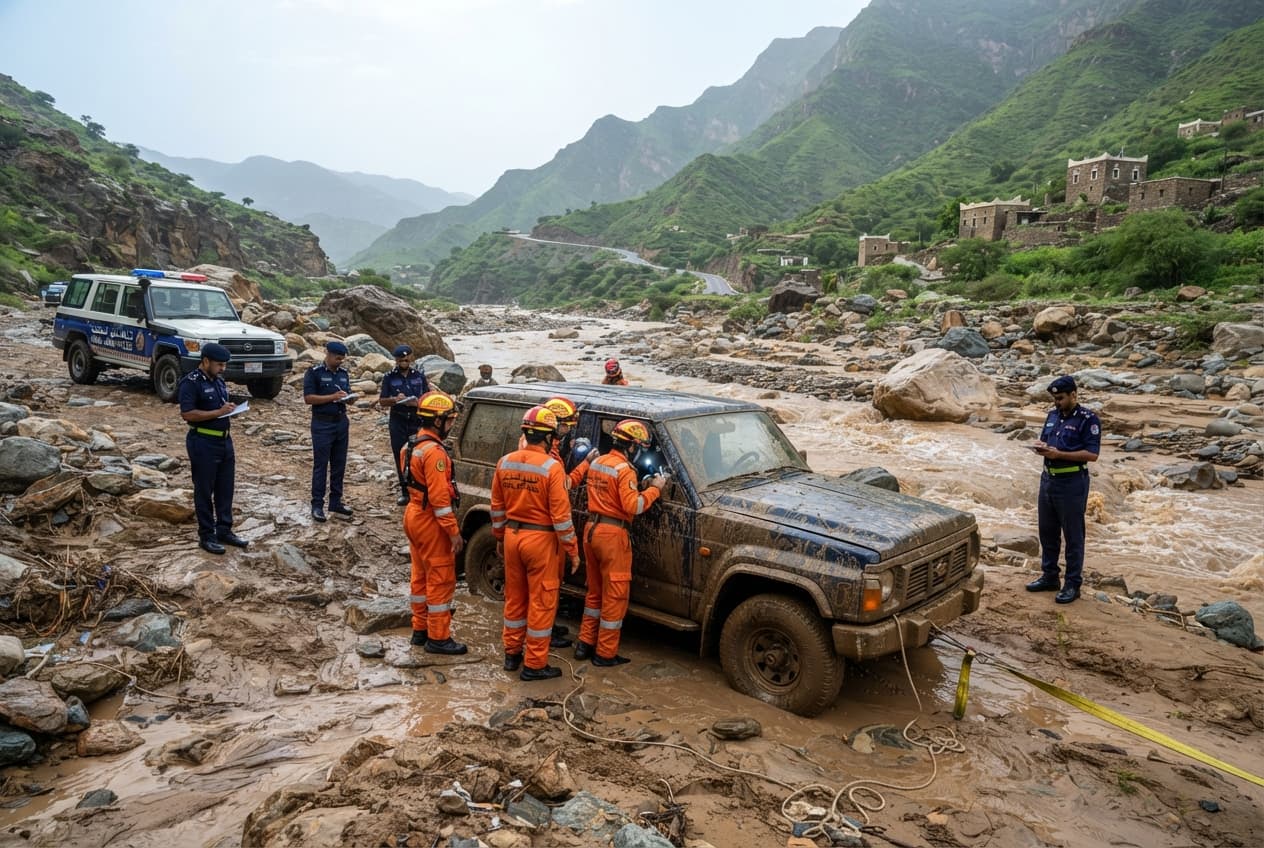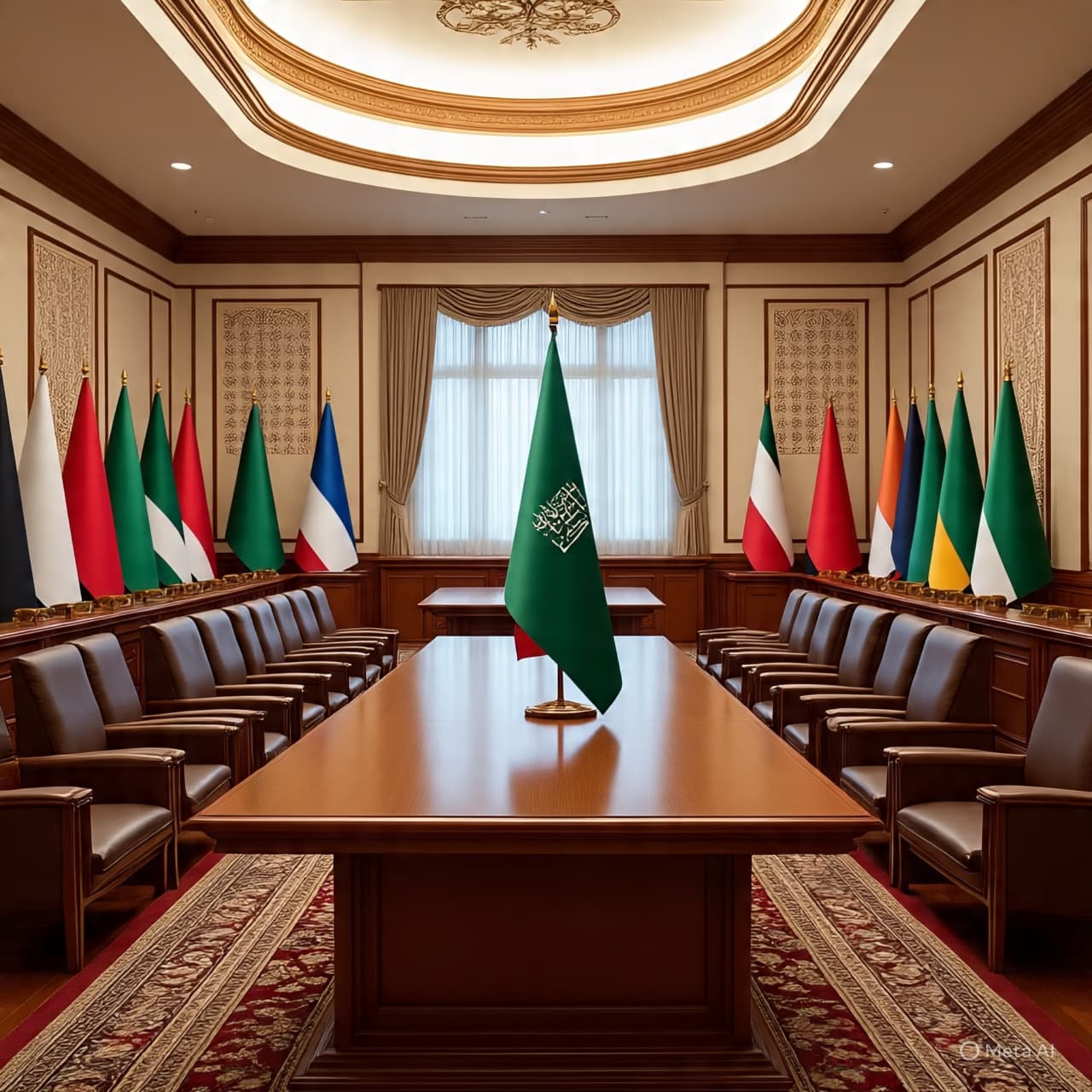
In the shifting sands of Yemen’s long-running conflict, a new diplomatic note has risen on the horizon — one that seeks to temper the clash of arms with the quiet force of conversation. As fierce fighting continues in the south of the war-torn country, Saudi Arabia has extended an invitation to Yemeni political and military factions to engage in dialogue in Riyadh, aiming to open a path toward negotiated solutions amid escalating tensions and deepening divisions. This effort reflects both the urgencies of the present strife and the enduring hope that even amid conflict, voices at a table can chart a different future.
On January 3, 2026, the Saudi Ministry of Foreign Affairs announced that it had welcomed a request from Yemen’s internationally recognized Presidential Leadership Council (PLC) to host a comprehensive dialogue conference in Riyadh. Riyadh urged all southern Yemeni factions — including those engaged in current clashes — to participate in discussions designed to develop a comprehensive vision for “just solutions” that address political grievances in the country’s south and reflect the aspirations of its people.
The call comes amid intense fighting in southern Yemen’s Hadramawt province, where the United Arab Emirates-backed Southern Transitional Council (STC) has seized key territories and recently declared plans for a two-year transitional period toward a referendum on southern independence. That move has significantly complicated Yemen’s civil conflict and strained relations between Gulf allies supporting different sides.
Saudi Arabia has framed the Riyadh talks as part of its broader push to stabilize Yemen and to resolve disputes through political and diplomatic channels rather than continued combat. In its statement, the kingdom emphasized that the dialogue aims to encompass “all southern components, forces and figures without exception,” signaling an inclusive approach that would bring even contentious groups like the STC into discussions.
The urgency of a diplomatic turn is underscored by developments on the ground. Yemen’s Saudi-backed government recently reported regaining control of Mukalla, the capital of Hadramawt, from STC forces, reflecting a significant escalation in the internal confrontation. At the same time, the UAE’s role has shifted, with reported troop withdrawals following tensions with Saudi Arabia over how the conflict is being prosecuted.
Regional and international actors have reacted cautiously, urging restraint and broader political engagement while watching how the proposed Riyadh conference unfolds. Observers note that the conflict — once dominated by the fight between the Yemeni government and Iran-aligned Houthi rebels — now features a complex interplay of internal ambitions, regional rivalries, and foreign diplomacy that makes progress both critical and challenging.
As Yemen’s conflict enters another chapter, Saudi Arabia’s invitation for dialogue stands as a tentative bridge between contending forces. Whether this diplomatic effort can temper hostilities or yield a durable framework for peace remains uncertain. Still, its very proposal — convening diverse factions in a neutral setting to talk through shared and competing goals — underscores the belief that even amid the din of guns and territorial disputes, there may be room for discourse that leads toward a more stable future for Yemen’s people.
AI Image Disclaimer “Visuals are created with AI tools and are not real photographs.”
Sources Reuters Al Jazeera Live Update Kurdistan24 Saudi Gazette Arab News
Published by Banx Network. This article is part of the Banx decentralized media programme, powered by the BXE token on the XRP Ledger.