
Key Highlights
- Lung cancer is the deadliest cancer in the U.S., yet screening misses many cases.
- Only 35% of lung cancer patients qualify under current screening guidelines.
- Experts advocate for broader eligibility to improve early detection rates.
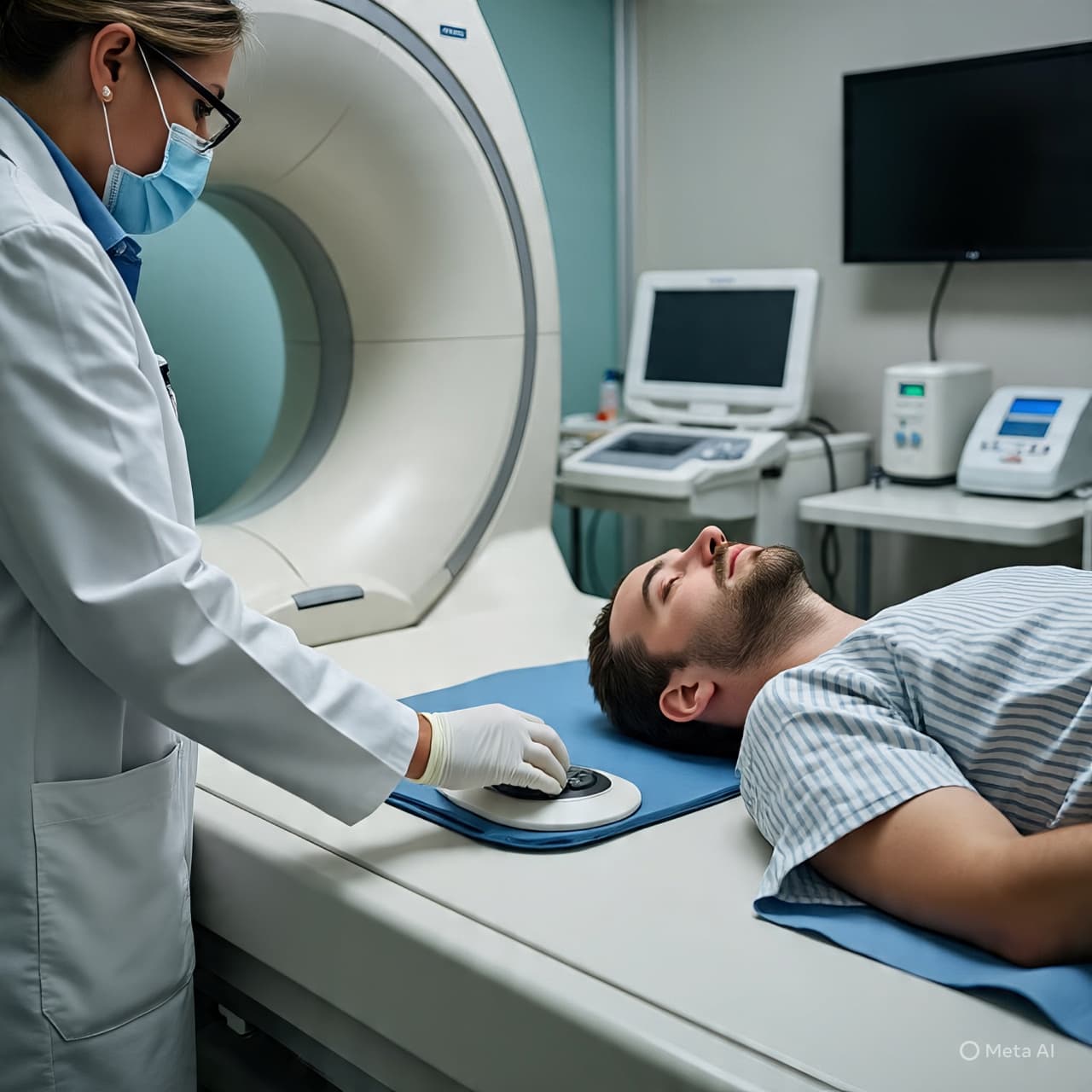
Lung cancer remains a significant health crisis in the United States, being the leading cause of cancer-related deaths. Despite advancements in medical technology, the current lung cancer screening system, primarily based on low-dose CT (LDCT), fails to identify a substantial number of cases. Recent studies indicate that only about 35% of lung cancer patients meet the eligibility criteria set by the U.S. Preventive Services Task Force (USPSTF), which predominantly considers age and a history of heavy smoking.
This narrow focus on specific risk factors leaves many vulnerable individuals unprotected. Notably, some never-smokers and former smokers who have quit may not qualify, while others fall into a gray area of risk that the guidelines do not adequately address. A study led by Stanford researchers highlights that even with recent updates to the guidelines, racial and ethnic disparities persist, with certain groups remaining underrepresented in screening eligibility.
The issue extends beyond eligibility; the uptake of screening among those who qualify is alarmingly low. The American Cancer Society estimates that only one in five eligible Americans actually undergo screening. This gap is concerning, as early detection through screening has been shown to significantly reduce mortality rates. Experts in precision medicine emphasize that many eligible individuals either do not participate in screening or are unaware of their eligibility.
Several factors contribute to this low participation rate. Limited awareness about the importance of screening, uneven access to screening facilities, and the stigma associated with lung cancer all play a role. Additionally, even when individuals are screened, there is no guarantee of detection; some tumors may be located in hard-to-see areas or grow slowly enough to evade detection in earlier scans.
In response to these challenges, researchers are advocating for more inclusive screening policies. One proposal gaining traction is to implement age-based screening for adults aged 40 to 85, regardless of their tobacco history. Modeling studies suggest that this approach could potentially detect 93-94% of lung cancers, a significant improvement over current practices. Furthermore, this expanded eligibility could be cost-effective, with estimates indicating it might save tens of thousands of lives annually at a lower or comparable cost per life saved compared to other cancer screening programs.
However, simply expanding eligibility is not enough. To improve screening uptake, it is essential to address structural barriers such as increasing the number of screening sites, enhancing communication about the importance of screening, reducing stigma, and ensuring equitable access across different racial, geographic, and socioeconomic groups.
Ultimately, this issue transcends medical concerns; it is fundamentally a matter of justice. With so many lives at stake, a screening system that excludes large segments of the population is in dire need of reform. Ensuring that all individuals have access to early detection could be pivotal in the fight against lung cancer, making it imperative for policymakers to act swiftly and decisively.
Published by Banx Network. This article is part of the Banx decentralized media programme, powered by the BXE token on the XRP Ledger.



