
Key Highlights
- Ethiopia is enhancing its anti-trafficking measures amid rising irregular migration.
- The government has established a National Referral Mechanism for victim support.
- Data shows hundreds of trafficking victims identified in 2023, with thousands more needing assistance.
Ethiopia is currently facing a significant challenge in combating human trafficking, as the nation finds itself at the center of one of the world's busiest irregular migration corridors. The journey for many Ethiopians, who seek better opportunities abroad, often leads them into the hands of traffickers and smugglers. In response to this growing crisis, Ethiopian authorities, in collaboration with international partners such as the International Organization for Migration (IOM), are intensifying their efforts to protect vulnerable migrants and combat trafficking.
Recently, the Addis Ababa authorities and IOM celebrated enhancements to the Migration Information and Data Analysis System (MIDAS). This border governance tool is designed to improve the monitoring of migrant movements and bolster border controls. By enhancing data sharing and tracking, the initiative aims to disrupt the operations of traffickers and ensure that vulnerable individuals are identified and protected rather than exploited.
Despite these efforts, the challenges remain daunting. Ethiopia's geographical position makes it a key transit point for irregular migration along the Eastern Route, which stretches through the Horn of Africa to Yemen and the Gulf. According to IOM data, irregular migration has surged, with hundreds of thousands of people on the move, often lured by false promises of job opportunities abroad. This high volume of departures creates an environment ripe for smugglers and traffickers, who prey on the economic desperation of those seeking better lives.
To address the complexities of trafficking, Ethiopia has implemented a legal framework aimed at combating these crimes. The country's anti-trafficking laws, established under Proclamation No. 909/2015, differentiate between migrant smuggling and human trafficking, imposing penalties for those involved in forced labor and exploitation. These laws empower authorities to prosecute traffickers and dismantle networks that exploit vulnerable citizens.
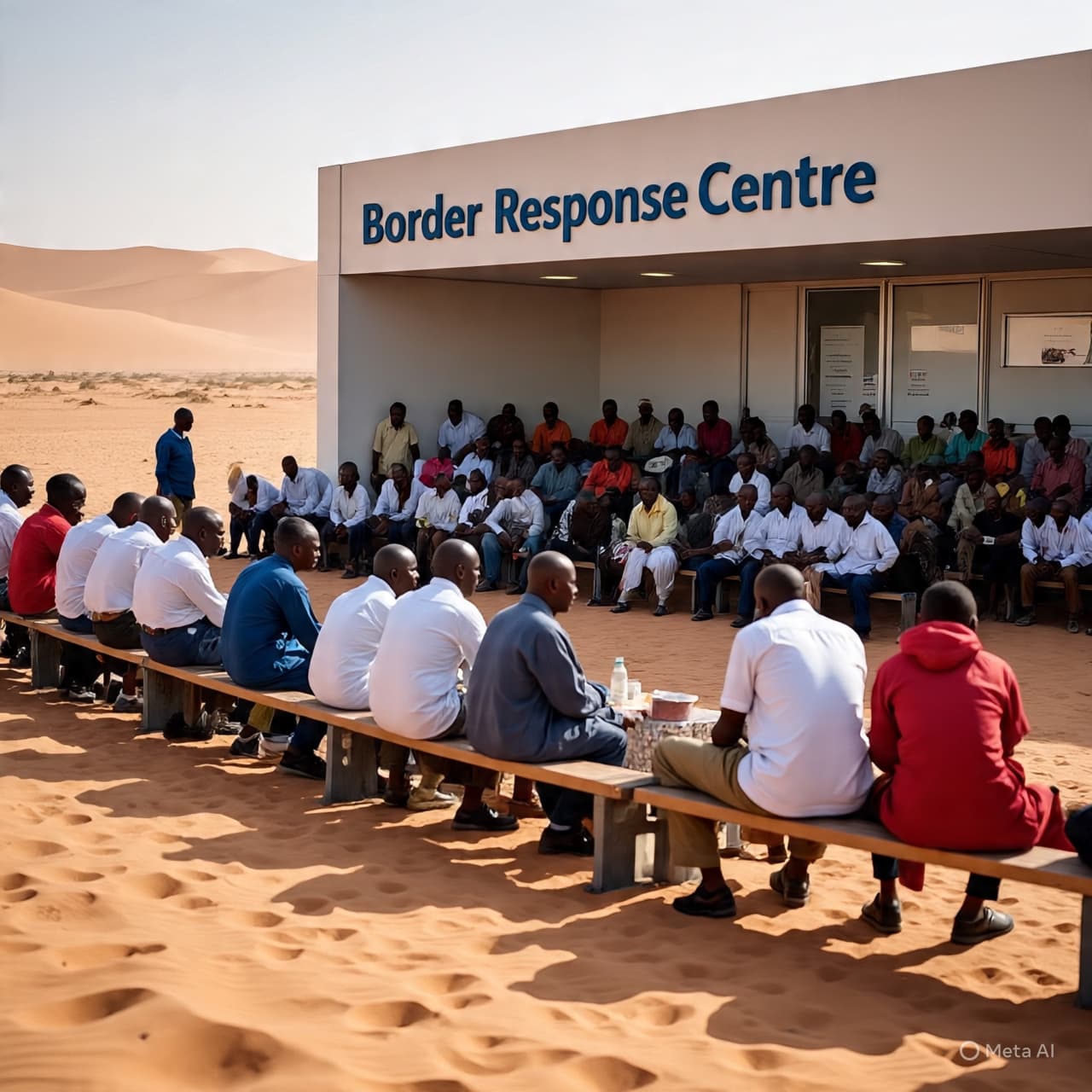
In recent years, the Ethiopian government has also developed mechanisms to respond to the needs of identified victims. Border response centers, such as the Mille Emergency Migrant Response Centre in Afar, provide essential services including food, shelter, and health assistance to migrants in distress. Additionally, the establishment of a National Referral Mechanism (NRM) has facilitated coordinated support for victims, involving both state and civil society actors in protection and reintegration efforts.
However, the scale of the trafficking issue is underscored by alarming statistics. In 2023, government reports identified hundreds of trafficking victims, both in labor and sexual exploitation. Non-governmental organizations (NGOs) have suggested that thousands more individuals may be in need of assistance and reintegration support. While there have been convictions in numerous trafficking cases, advocates argue that the interventions remain insufficient compared to the scale of the problem.
These realities highlight a complex interplay of economic pressures, limited employment opportunities, and the allure of distant shores. Many Ethiopians, particularly youth and women, find themselves with few safe, legal options for work abroad, pushing them into the hands of unscrupulous brokers who promise opportunities that often lead to hardship and abuse.
As Ethiopia continues to expand its anti-trafficking initiatives, including legal enforcement, data systems, and migrant protection services, the journey toward meaningful impact will require sustained coordination among regions, governments, and international organizations. Community-level awareness and support will also play a crucial role in ensuring that the safety and rights of those who leave home with hope remain at the forefront of these efforts.
Published by Banx Network. This article is part of the Banx decentralized media programme, powered by the BXE token on the XRP Ledger.



