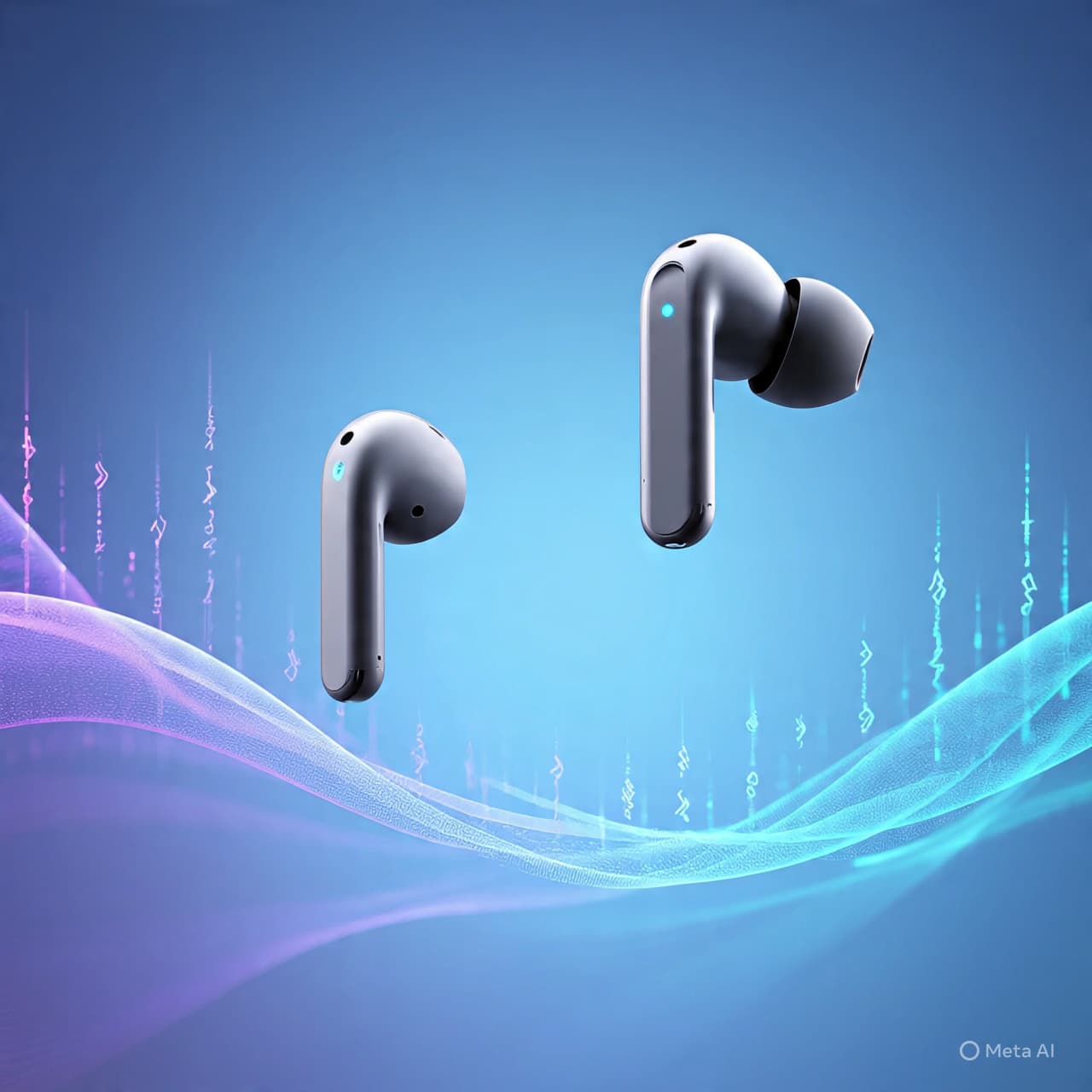
In the quiet hum of our modern lives, we often forget how intimate the digital threads around us have become. A casual tap to pair your earbuds with your phone, a simple chime signaling a successful connection—these small gestures of convenience carry a weight we rarely pause to consider. This gentle choreography of devices, orchestrated through invisible waves, has recently revealed a hidden dissonance: the WhisperPair vulnerability.
Emerging from the careful work of security researchers, WhisperPair exposes a subtle flaw in devices that rely on Google Fast Pair. Hundreds of millions of headphones, earbuds, and speakers may be silently susceptible, leaving users’ audio experiences and location data open to eavesdropping. The vulnerability doesn’t shout—it whispers, much like the name suggests—turning convenience into a potential conduit for unseen intrusion. The flaw resides in how Fast Pair manages Bluetooth handshakes, allowing a determined attacker within range to intercept or manipulate connections without any visible signs to the user.
While the prospect may sound alarming, the risk is nuanced. The attack requires proximity and technical know-how, and device manufacturers are already rolling out patches to mitigate the issue. Still, it serves as a reflective moment about the invisible currents of technology we embrace so readily. Each device that promises seamless connectivity is also a reminder that security, like water through a sieve, must be continuously tended. Users are advised to ensure firmware updates are applied promptly and to remain aware of what devices they allow near their personal networks.
As the industry responds, the story of WhisperPair is less a tale of panic and more an invitation to mindfulness—an encouragement to notice the quiet systems underpinning our digital lives, and to respect both their promise and their fragility.
AI Image Disclaimer “Visuals are created with AI tools and are not real photographs.”
Sources Ars Technica WIRED Macworld Android Authority Tom’s Guide
Published by Banx Network. This article is part of the Banx decentralized media programme, powered by the BXE token on the XRP Ledger.