
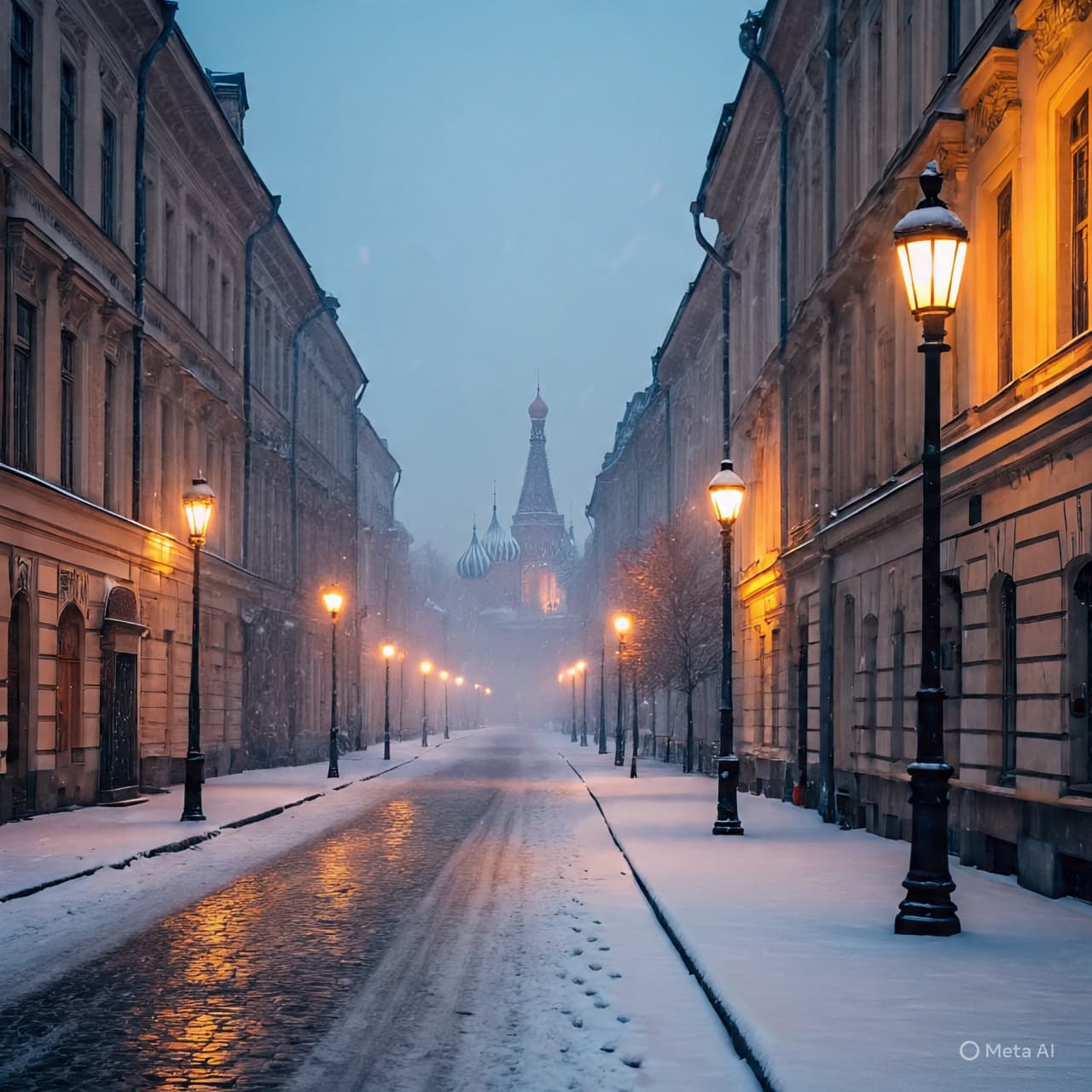
Winter lingers long in Russia, pressing its silence into streets and courtyards, into the pauses between footsteps. In places where the cold sharpens attention, memory has a way of settling slowly, like frost on glass. It is in this stillness that the story of a rare poison—almost colorless, almost invisible—has returned to public consciousness.
Russian authorities have long rejected accusations that the state was involved in poisoning opposition figure Alexei Navalny, who fell violently ill in August 2020 during a flight inside Russia. International investigators and Western governments, however, concluded that Navalny was exposed to a nerve agent from the Novichok family, a group of chemical weapons developed during the Soviet era and banned under international law.
Novichok compounds are among the most potent nerve agents known. Experts describe them as highly toxic, fast-acting substances that disrupt the nervous system by blocking enzymes essential for muscle control and breathing. Exposure, even in minute amounts, can cause convulsions, paralysis, and loss of consciousness. Survival often depends on rapid diagnosis and treatment—something Navalny received only after being evacuated to Germany.
Laboratories in Germany, France, and Sweden later confirmed the presence of a Novichok-type agent in samples linked to Navalny. These findings were supported by the Organisation for the Prohibition of Chemical Weapons, which said its own analysis corroborated the results, though it did not assign blame. The use of such a weapon, experts note, requires specialized knowledge and access, narrowing the field of plausible sources.
The Novichok family occupies a particular place in modern political history. Designed to evade detection during the Cold War, the agents became widely known after their alleged use in high-profile cases, including the 2018 poisoning of former Russian spy Sergei Skripal in the United Kingdom. Each appearance has revived concern about the erosion of taboos surrounding chemical weapons, once thought confined to battlefields and history books.
Moscow has consistently denied responsibility, offering alternative explanations for Navalny’s illness and accusing Western countries of politicizing the case. The dispute has unfolded not only in courts and diplomatic channels, but also in the quieter realm of narrative—what can be proven, what is denied, and what lingers unresolved. In this space, the poison itself becomes less a substance than a symbol: of secrecy, of power, of trust broken.
Navalny survived the poisoning, returned to Russia, and was later imprisoned on charges his supporters say were politically motivated. His death in custody years later has renewed scrutiny of his earlier poisoning, drawing a line through time that connects a rare nerve agent to broader questions about accountability and consequence.
What is known remains stark. A banned chemical weapon, confirmed by multiple laboratories. A critic of the Kremlin left near death. Denials that persist alongside scientific consensus. Like winter itself, the facts are cold and hard to move. And as they settle again into public view, they remind the world that some poisons leave traces not only in the body, but in history—quiet, enduring, and impossible to fully erase.
AI Image Disclaimer Visuals are AI-generated and serve as conceptual representations.
Sources (names only) Organisation for the Prohibition of Chemical Weapons German Federal Government Reuters Associated Press Bellingcat
Published by Banx Network. This article is part of the Banx decentralized media programme, powered by the BXE token on the XRP Ledger.


