A single speck of cosmic dust, drifting through the cold vastness beyond the Sun’s reach — that is how 3I/ATLAS began its unexpected journey into our solar neighborhood. Now, as Earth’s telescopes and observatories align to follow its path, that once-faint visitor has become the focal point of a worldwide watch: the UN has formally included 3I/ATLAS in a planetary-defence observing exercise, transforming a distant wanderer into a global concern of curiosity and vigilance.
Discovered on July 1, 2025 by the ATLAS telescope in Chile, 3I/ATLAS was soon confirmed to be interstellar — not a familiar part of our solar family, but a stranger from distant space. As the third such object ever detected (after 1I/ʻOumuamua and 2I/Borisov), its arrival has stirred not just wonder but urgency among astronomers.
Yet this is more than a cosmic postcard — 3I/ATLAS is being treated as a test case for Earth’s planetary-defense readiness. The UN, working through the global network of observatories and space-agencies, has activated a coordinated observation campaign. Why? Because any interstellar object — while usually safe — demands scrutiny. Its hyperbolic trajectory means it will pass through once, never to return.
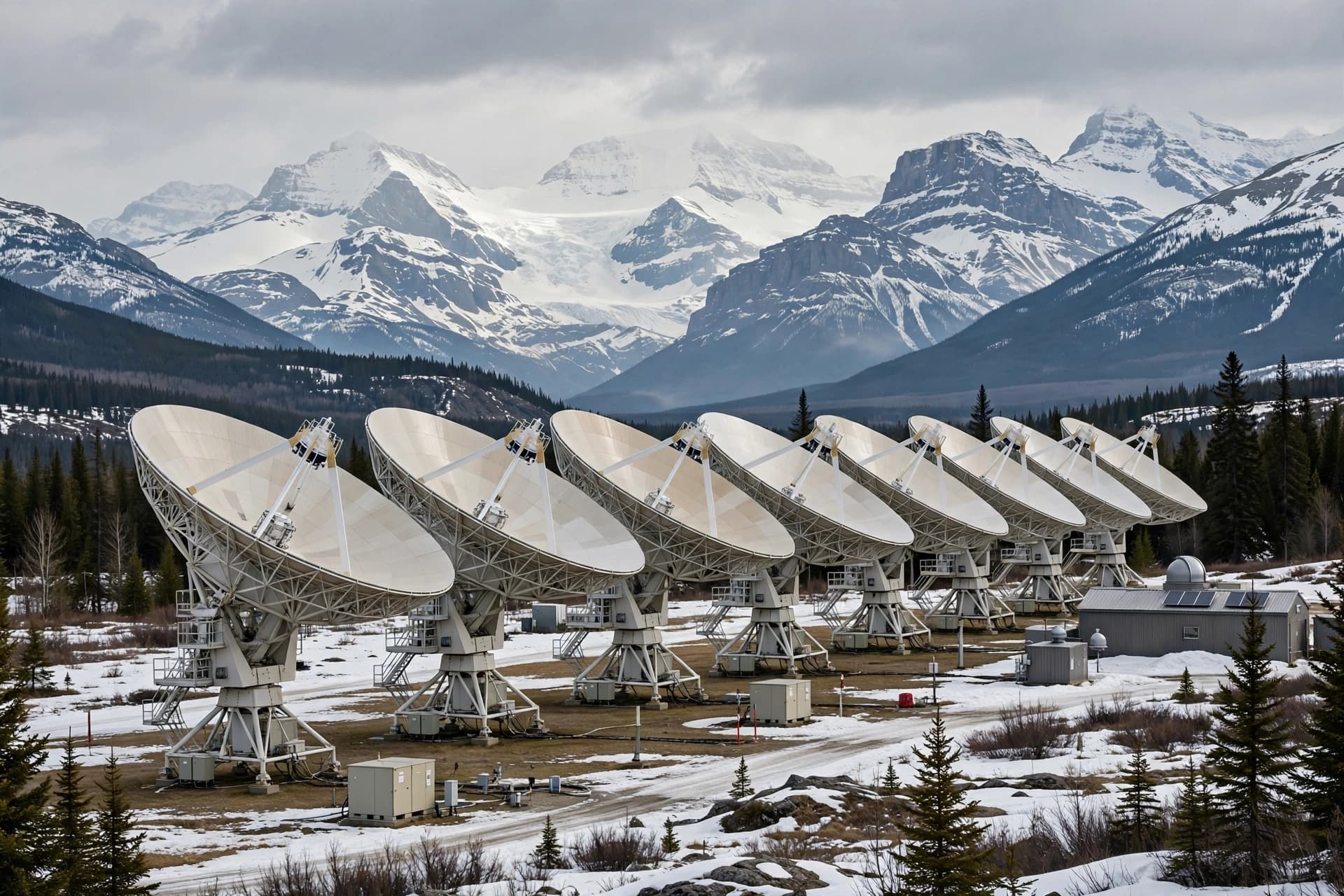
Spacecraft and telescopes already enlisted in the effort include those from NASA, ESA, and ground-based observatories around the world. As 3I/ATLAS swings by, scientists hope to capture data on its composition, orbit, and behavior — details that might illuminate the nature of comets formed around distant stars, and test the robustness of international observation networks.
Despite the alarm some sensational headlines have stirred, experts stress: 3I/ATLAS poses no danger to Earth. Its closest approach remains far — more than 1.8 astronomical units away (about 270 million km). The planetary-defence exercise is not about deflecting a threat, but about refining humanity’s vigilance.
Still, in the hush of telescopes tracking its path, there is a deeper resonance. 3I/ATLAS is both stranger and teacher — a messenger from another star system offering a rare chance to compare our cosmic backyard with far-off neighborhoods. As it glides through, the world unites in gaze and inquiry, ready — not out of fear — but out of wonder.
And when it departs, slipping back into the black ocean of space, perhaps we will be a little wiser. Perhaps better prepared. Perhaps just more aware of how small, and connected, we truly are.
AI Image Disclaimer “Visuals are created with AI tools and are not real photographs.”
Sources : NASA / ESA / official comet-tracking reports European Space Agency Space.com National Geographic recent global science-news coverage
Published by Banx Network. This article is part of the Banx decentralized media programme, powered by the BXE token on the XRP Ledger.