
Key Highlights
- Maritime trade is crucial for connecting regional economies with global markets.
- Shipping companies are investing in fleet modernization and technology.
- Ports in the Middle East are expanding to meet rising commercial demands.
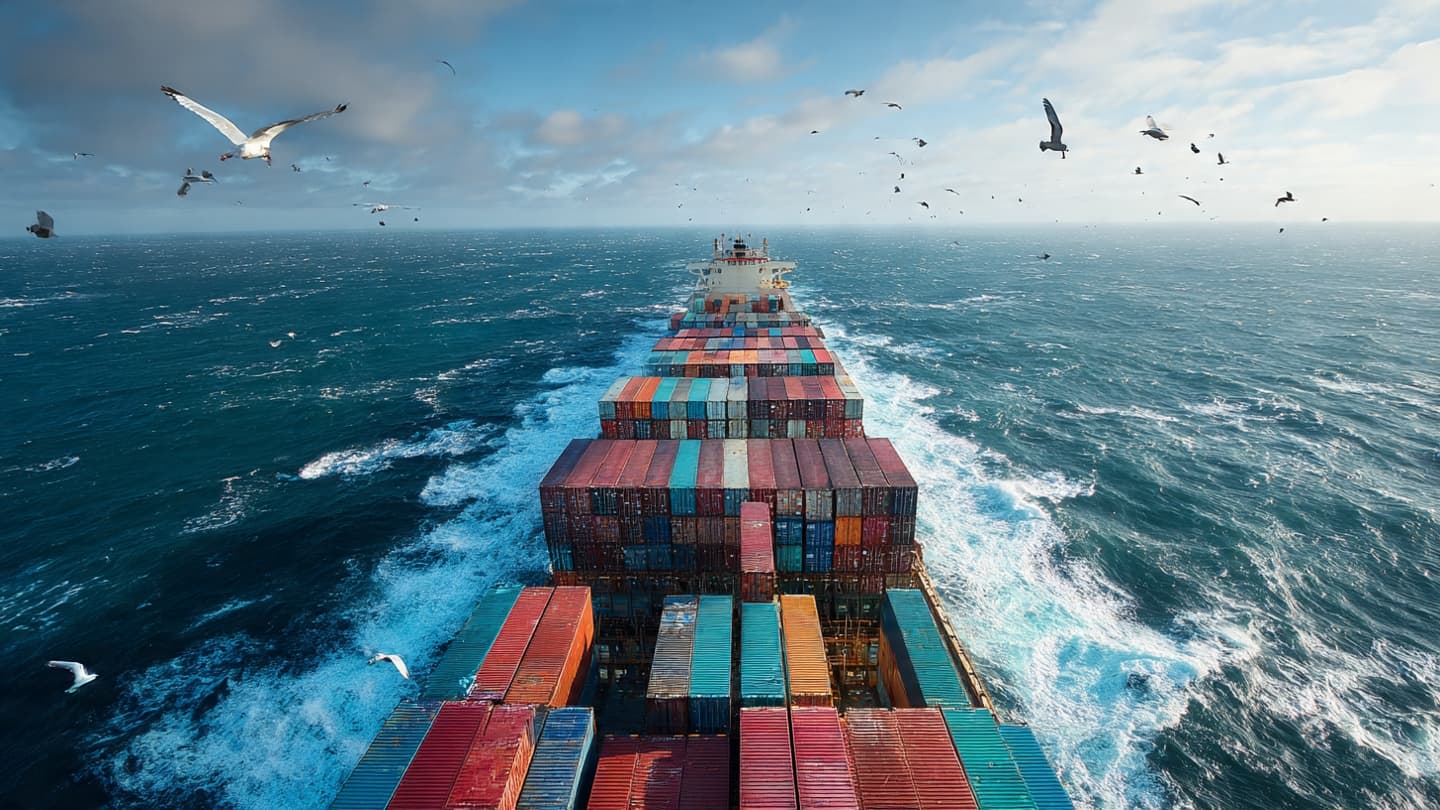
Maritime trade continues to serve as one of the strongest links between regional economies and international markets. In the Middle East, commercial shipping remains essential for transporting a wide array of goods, including industrial materials, consumer products, agricultural products, and energy resources. The strategic location of the Middle East makes it a pivotal hub for global trade, facilitating the movement of goods between Europe, Asia, and Africa.
In recent years, shipping companies have ramped up investments in fleet modernization, digital cargo tracking, and advanced navigation technologies. These enhancements are designed to improve operational efficiency and strengthen supply chain reliability. By adopting new technologies, shipping companies can reduce delays and enhance the overall reliability of international commerce, which is vital for businesses that depend on timely deliveries.
Ports throughout the region are also expanding their logistics capabilities to accommodate the growing demand for commercial shipping. Infrastructure improvements, such as the construction of new terminals and the upgrading of existing facilities, are expected to significantly enhance trade efficiency. Coordinated transportation services are being developed to streamline the movement of goods from ports to inland destinations, further supporting economic growth in the region.
Industry observers believe that continued investment in maritime logistics and regional cooperation will bolster commercial resilience. As global trade dynamics evolve, the Middle East's shipping routes will play an increasingly important role in supporting long-term international trade. The ability to adapt to changing market conditions and enhance logistical capabilities will be crucial for maintaining competitiveness in the global marketplace.
The ongoing developments in the Middle East's shipping industry highlight the region's commitment to fostering a robust trade environment. As countries collaborate to improve infrastructure and logistics, the potential for economic growth and increased trade volume remains promising. The future of maritime trade in the Middle East looks bright, with significant opportunities on the horizon for businesses and economies alike.
Published by Banx Network. This article is part of the Banx decentralized media programme, powered by the BXE token on the XRP Ledger.



