Opening In the intricate dance of technology and commerce, the story behind a smartphone’s price often flows from the hidden currents of supply, production, and innovation. Samsung’s Galaxy S26, poised as a flagship of design and performance, is not immune to these currents. Behind the sleek glass and gleaming displays lies a more complex tale: a struggle to manage the cost of its own components, particularly its Exynos processors, which are as essential to the phone’s heart as a pulse is to a living body. Like a river diverted by unseen rocks, these pressures ripple through to the price tag, reminding us that even giants of industry navigate forces beyond their control.
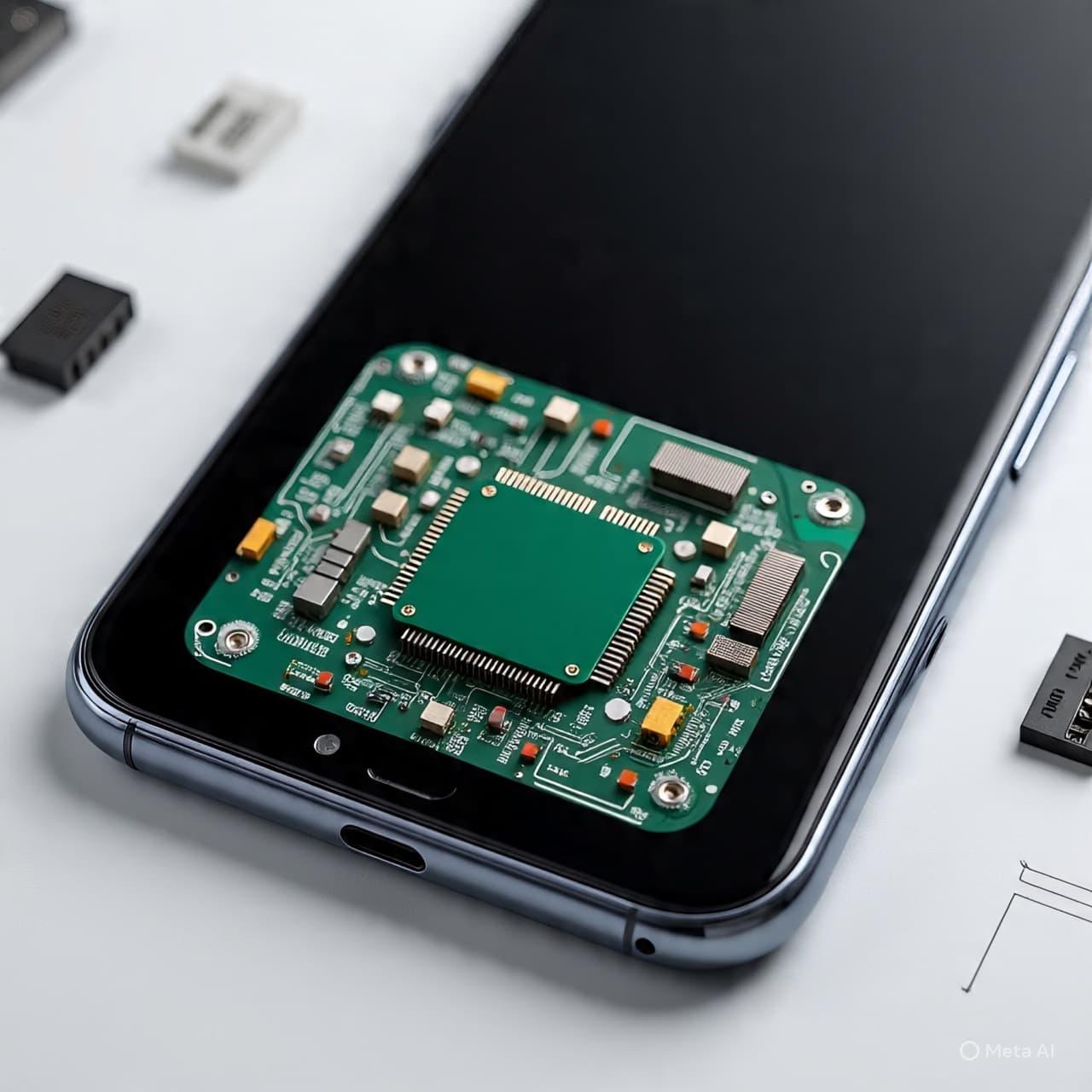
Body Reports suggest that Samsung is facing unexpected challenges in procuring its Exynos chips at favorable internal prices. While the company manufactures these processors in-house, internal supply dynamics and production costs appear to have limited Samsung’s ability to buy them at lower rates. This tension, combined with rising memory costs and other premium components, is one factor driving the anticipated price increase for the Galaxy S26 lineup. (9to5google.com)
Exynos chips have traditionally powered certain regional variants of Samsung’s flagship devices, often in South Korea and select Asian markets, while Qualcomm’s Snapdragon processors dominate other regions. Samsung’s latest Exynos 2600, built on advanced 2 nm-class architecture, promises higher efficiency and performance. Yet even with improved production yields, internal competition for these chips, combined with global supply pressures, has made cost management tricky. (androidheadlines.com)
For consumers, these behind-the-scenes struggles translate to a tangible effect: the Galaxy S26 is likely to be more expensive than its predecessors. Analysts suggest that even modest increases in component costs can significantly impact flagship pricing, given the narrow margins on premium devices. Rising prices for memory modules, OLED panels, and semiconductors leave Samsung with limited options if it wishes to maintain quality and performance standards without sacrificing profit. (androidauthority.com)
Adding another layer, reports indicate there may be internal friction between Samsung’s semiconductor division and its smartphone unit regarding pricing and chip allocation. These structural dynamics illustrate that pricing a flagship smartphone involves not only external market conditions but also the complex relationships between a company’s own divisions. (phonearena.com)
Despite these challenges, Samsung continues to position the Galaxy S26 as a premium device with cutting-edge camera technology, refined design, and high-performance processors. The company’s challenge will be balancing component costs and retail pricing while keeping the device attractive to buyers in competitive global markets. (9to5google.com)
Closing In clear terms, Samsung’s reported difficulty in procuring Exynos chips at lower costs — combined with rising component prices — is contributing to a Galaxy S26 price hike. While the phone promises cutting-edge technology and performance, these internal and market pressures underscore the delicate interplay between innovation, production, and the final price consumers see.
AI Image Disclaimer (rotated) “Images in this article are AI-generated illustrations, meant for concept only.”
Sources 9to5Google — Samsung reportedly can’t even buy its own Exynos chips for less, adding to Galaxy S26 price hike Android Authority — Galaxy S26 faces a value problem it can’t ignore Android Central — Galaxy S26 price stuck in limbo thanks to rising memory costs PhoneArena — Internal Samsung division tension could lead to higher S26 prices GizmoChina — Exynos 2600 2nm yield and Galaxy S26 strategy
Published by Banx Network. This article is part of the Banx decentralized media programme, powered by the BXE token on the XRP Ledger.