

Key Highlights
- Intermittent fasting emphasizes timing and food choices.
- Nutrient-dense foods enhance energy and health benefits.
- Protein, healthy fats, and quality carbs are essential.
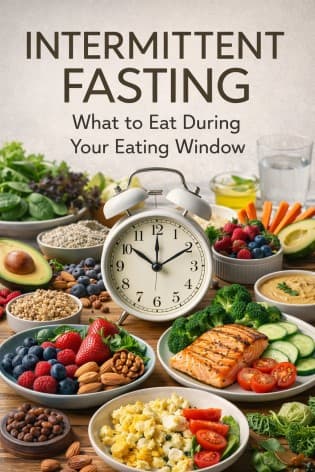
Intermittent fasting (IF) is a dietary approach that focuses on when you eat rather than what you eat. However, the foods you choose during your eating window are crucial for maximizing the benefits of this eating pattern. Proper nutrition can significantly impact energy levels, fat loss, muscle preservation, and overall health. This article provides a practical guide to the best foods to include during your intermittent fasting eating window.
[Protein: The Top Priority]
Protein should be a primary focus during your eating window. It plays a vital role in preserving muscle mass, controlling hunger, and stabilizing blood sugar levels. Including a quality source of protein in every meal can help you feel full longer and support metabolic health. Recommended protein sources include eggs, chicken, turkey, fish (such as salmon, tuna, and sardines), Greek yogurt, cottage cheese, tofu, tempeh, and lean cuts of beef or lamb. Aim to incorporate these foods into your meals to ensure adequate protein intake.
[Healthy Fats for Satiety]
Healthy fats are another essential component of your diet during intermittent fasting. They help keep you satisfied, support hormone production, and improve nutrient absorption. Good sources of healthy fats include avocados, olive oil, nuts and seeds, natural nut butters, and fatty fish. These fats can help prevent overeating and maintain steady energy levels throughout the day.
[Quality Carbohydrates Matter]
When it comes to carbohydrates, not all options are created equal. During intermittent fasting, it's important to prioritize slow-digesting, whole-food carbohydrates while avoiding refined sugars and processed carbs. The best carbohydrate options include a variety of vegetables (such as leafy greens, broccoli, and peppers), fruits (like berries, apples, and oranges), whole grains (including oats, brown rice, and quinoa), sweet potatoes, and legumes. These carbohydrates provide sustained energy and essential nutrients without causing sharp spikes in blood sugar levels.
[Fiber and Micronutrients for Health]
Fiber and micronutrients are vital for digestion, gut health, and overall well-being. To ensure adequate fiber intake, include vegetables at every meal, along with fermented foods like yogurt, kefir, and kimchi, and seeds such as chia and flax. A fiber-rich diet supports digestive health and helps regulate appetite, making it an important aspect of your intermittent fasting plan.
[Final Takeaway]
In summary, during your eating window, focus on whole, minimally processed foods that provide protein, healthy fats, quality carbohydrates, and plenty of fiber. These food choices will help maximize the benefits of intermittent fasting and support long-term health, energy, and effective weight management. By making informed dietary decisions, you can enhance your intermittent fasting experience and achieve your health goals more effectively.
Published by Banx Network. This article is part of the Banx decentralized media programme, powered by the BXE token on the XRP Ledger.




