

Key Highlights
- Intermittent fasting (IF) is an eating pattern focusing on when to eat.
- Popular methods include the 16/8 method and the 5:2 diet.
- IF may aid in weight management and boost metabolic health.
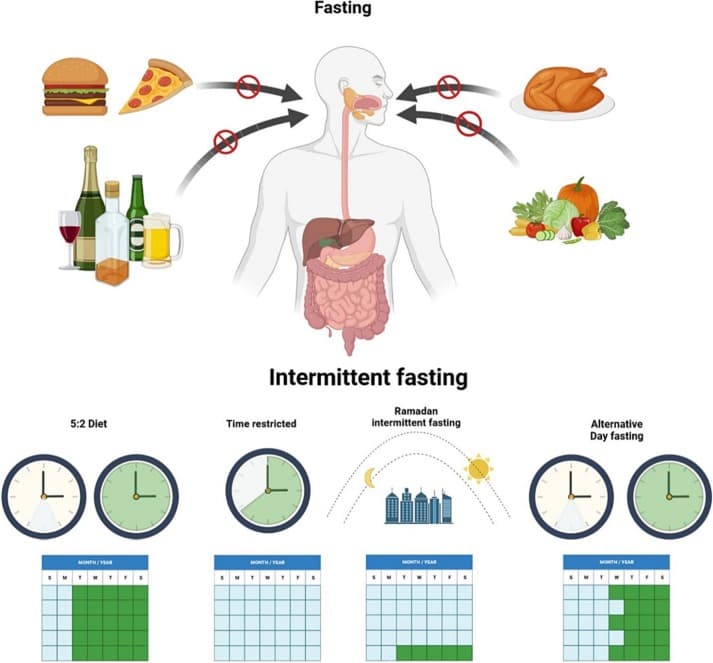
Intermittent fasting (IF) is gaining traction as a popular eating pattern that alternates between periods of eating and fasting. Unlike traditional diets that emphasize what to eat, IF focuses on when to eat, allowing individuals to enjoy their meals while potentially reaping significant health benefits. The most common methods include the 16/8 method, where individuals fast for 16 hours and eat during an 8-hour window, the 5:2 diet, which involves normal eating for five days and significantly reduced calorie intake for two days, and alternate-day fasting, which alternates between fasting and eating days.
Research suggests that intermittent fasting can shift the body’s metabolism from burning carbohydrates to burning fat for fuel. This metabolic shift can aid in weight management and improve overall metabolic health. By reducing calorie intake during fasting periods, individuals may find it easier to maintain a healthy weight without the need for strict dieting.
The potential healing benefits of intermittent fasting are noteworthy. One of the most significant benefits is the process of autophagy, where the body cleans out damaged cells and regenerates new ones. This cellular repair mechanism is crucial for maintaining health and preventing diseases. Additionally, IF has been shown to reduce inflammation, a key driver of chronic diseases such as heart disease, diabetes, and cancer. By lowering inflammation levels, individuals may experience improved health outcomes and a reduced risk of developing these conditions.
Moreover, intermittent fasting may enhance immune function, helping the body to better fight off infections and illnesses. Some studies have indicated that IF could be beneficial for conditions like high blood pressure, diabetes, Alzheimer’s disease, and even certain types of cancer. These findings highlight the potential of IF as a therapeutic approach to managing chronic health issues.
Personal testimonies also support the healing effects of intermittent fasting. Many individuals, including myself, have shared experiences of transformation and improved health after adopting this eating pattern. For instance, I have personally managed to lower my high blood pressure through intermittent fasting, showcasing its potential as a lifestyle change that promotes better health.
However, it is essential to approach intermittent fasting with caution. Consulting a nutritionist or healthcare provider before starting any new dietary regimen is crucial, especially for individuals with pre-existing health conditions or those taking medications. Prioritizing health and ensuring that any dietary changes are safe and suitable for individual needs is paramount.
In conclusion, intermittent fasting presents a promising approach to enhancing health and well-being. With its focus on timing rather than strict dietary restrictions, it offers a flexible and potentially effective method for weight management and healing. As research continues to unfold, the benefits of intermittent fasting may become even more pronounced, making it a topic worth exploring for those seeking to improve their health.
Published by Banx Network. This article is part of the Banx decentralized media programme, powered by the BXE token on the XRP Ledger.




