
Key Highlights
- U.S. intelligence reports indicate Iran maintains a significant missile arsenal.
- Iran's missile program is a key strategic asset, bolstered by domestic production.
- Recent military confrontations have heightened global scrutiny of Iran's capabilities.
U.S. intelligence assessments have revealed that Iran's military capabilities, particularly its missile arsenal, remain robust despite ongoing tensions with the United States. Reports indicate that Iran possesses a substantial stockpile of ballistic and short-range missiles, which could sustain military confrontations for an extended period. This information comes from discussions among U.S. officials and highlights the strategic importance of Iran's military assets in the context of regional security.
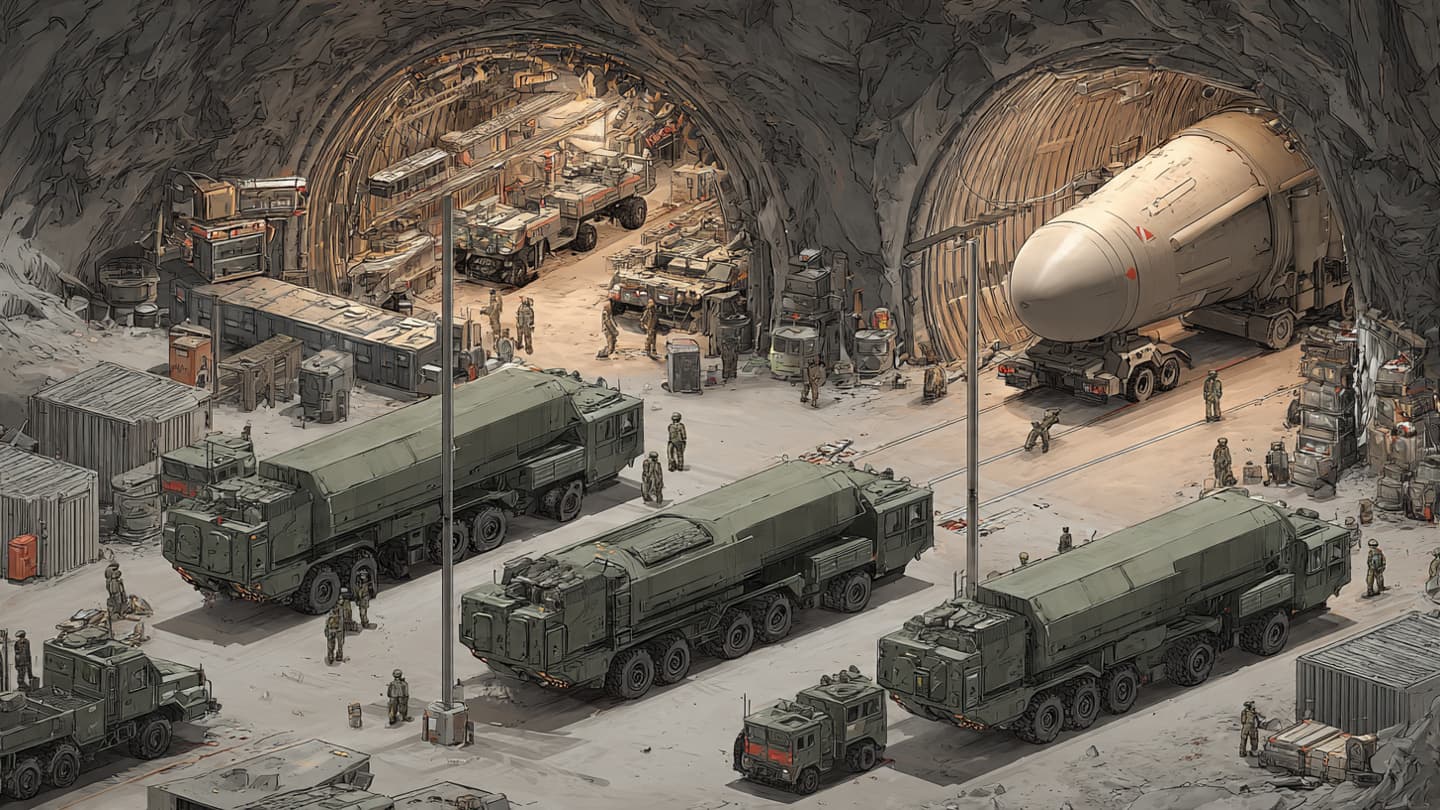
According to the intelligence reports, Iran's missile production capacity and underground storage facilities are still significant, even after enduring years of sanctions and military exchanges. The CIA's assessment underscores the durability of Iran's missile program, which has been a focal point of its military doctrine. Over the years, Tehran has invested heavily in developing mobile launch systems and hardened facilities, enabling it to maintain a formidable deterrent against external threats.
Defense analysts emphasize that Iran's reliance on missile systems is a strategic choice, allowing the country to project power across the region without needing a conventional air force. This approach has enabled Iran to exert influence over neighboring areas, particularly in light of its ongoing confrontations with U.S. military assets. Recent missile launches near the Strait of Hormuz and military activities involving Iranian proxy groups have drawn international attention, further illustrating the central role of missile capabilities in the broader security dynamics of the Middle East.
While the intelligence assessments paint a concerning picture, they do not necessarily predict an imminent escalation of conflict. Security experts caution that military stockpiles are often evaluated to gauge strategic endurance rather than immediate intent. Diplomatic efforts continue to operate alongside military preparedness, indicating that dialogue remains a critical component of managing tensions in the region.
The public disclosure of the CIA's findings reflects a broader trend in which intelligence agencies are increasingly transparent during international crises. Information that was once restricted to classified briefings is now shaping public discourse and influencing diplomatic strategies in real time. This shift underscores the importance of intelligence in understanding and navigating complex geopolitical landscapes.
Governments across Europe, Asia, and the Gulf region are closely monitoring developments related to Iran's military capabilities. Concerns about regional security, maritime trade routes, and energy stability are intricately linked to the evolving relationship between Washington and Tehran. As tensions persist, officials from various countries are advocating for restraint and dialogue to prevent further escalation.
In summary, while the intelligence assessment highlights Iran's substantial missile capabilities, it serves as a reminder of the entrenched strategic competition in the region. The situation remains fluid, and the potential for conflict persists, but diplomatic avenues continue to be explored as stakeholders seek to manage the complexities of Middle Eastern geopolitics.
Published by Banx Network. This article is part of the Banx decentralized media programme, powered by the BXE token on the XRP Ledger.



