
Key Highlights
- Report Date:March 7, 2026, revealing insights from U.S. intelligence.
- Key Finding:Large-scale military intervention unlikely to succeed in regime change.
- Expert Opinion:Historical military actions have often led to unintended consequences.
On March 7, 2026, a newly released intelligence report from the U.S. government has concluded that a large-scale war would probably not lead to the overthrow of Iran’s regime. This assessment highlights the resilience of the Iranian government and its ability to withstand external military pressures while maintaining internal control. The report is significant as it reflects a shift in understanding regarding the effectiveness of military intervention in achieving political change in Iran.
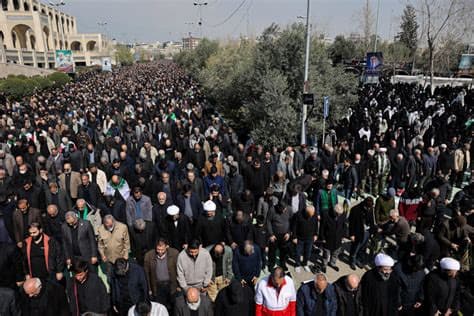
The intelligence report analyzes the socio-political landscape of Iran, suggesting that military intervention could provoke heightened nationalism among the Iranian populace. This reaction could potentially strengthen support for the regime rather than undermine it, indicating the complexities involved in any attempts at regime change through force. The findings underscore the importance of understanding the local context and the potential backlash that military actions can provoke.
Experts involved in crafting the report pointed to historical examples where military actions have led to unintended consequences. They emphasized the need for diplomatic solutions rather than reliance on armed conflict. The report aligns with concerns that military operations in Iraq and Afghanistan have demonstrated the challenges of instigating effective regime change through warfare. These historical precedents serve as cautionary tales for policymakers considering military options in Iran.
The report calls on policymakers to focus on alternative strategies, such as engaging in dialogue and employing economic sanctions or targeted actions aimed at specific elements within the Iranian government. It advocates for a nuanced approach that considers the delicate balance of power in the region and the potential repercussions of direct military action. This perspective is particularly relevant as tensions between Iran and various Western nations continue to evolve.
As the geopolitical landscape shifts, this intelligence assessment may influence future strategies and discussions regarding Iran. It stresses the importance of careful consideration before engaging in any military initiatives, suggesting that diplomatic engagement may yield more favorable outcomes than military confrontation. The report serves as a reminder of the complexities of international relations and the need for informed decision-making in matters of national security.
In conclusion, the intelligence report presents a critical perspective on the feasibility of military intervention in Iran, advocating for a strategic approach that prioritizes diplomacy over warfare. As the situation develops, the insights from this report will likely play a crucial role in shaping U.S. foreign policy towards Iran and the broader Middle East region.
Published by Banx Network. This article is part of the Banx decentralized media programme, powered by the BXE token on the XRP Ledger.



